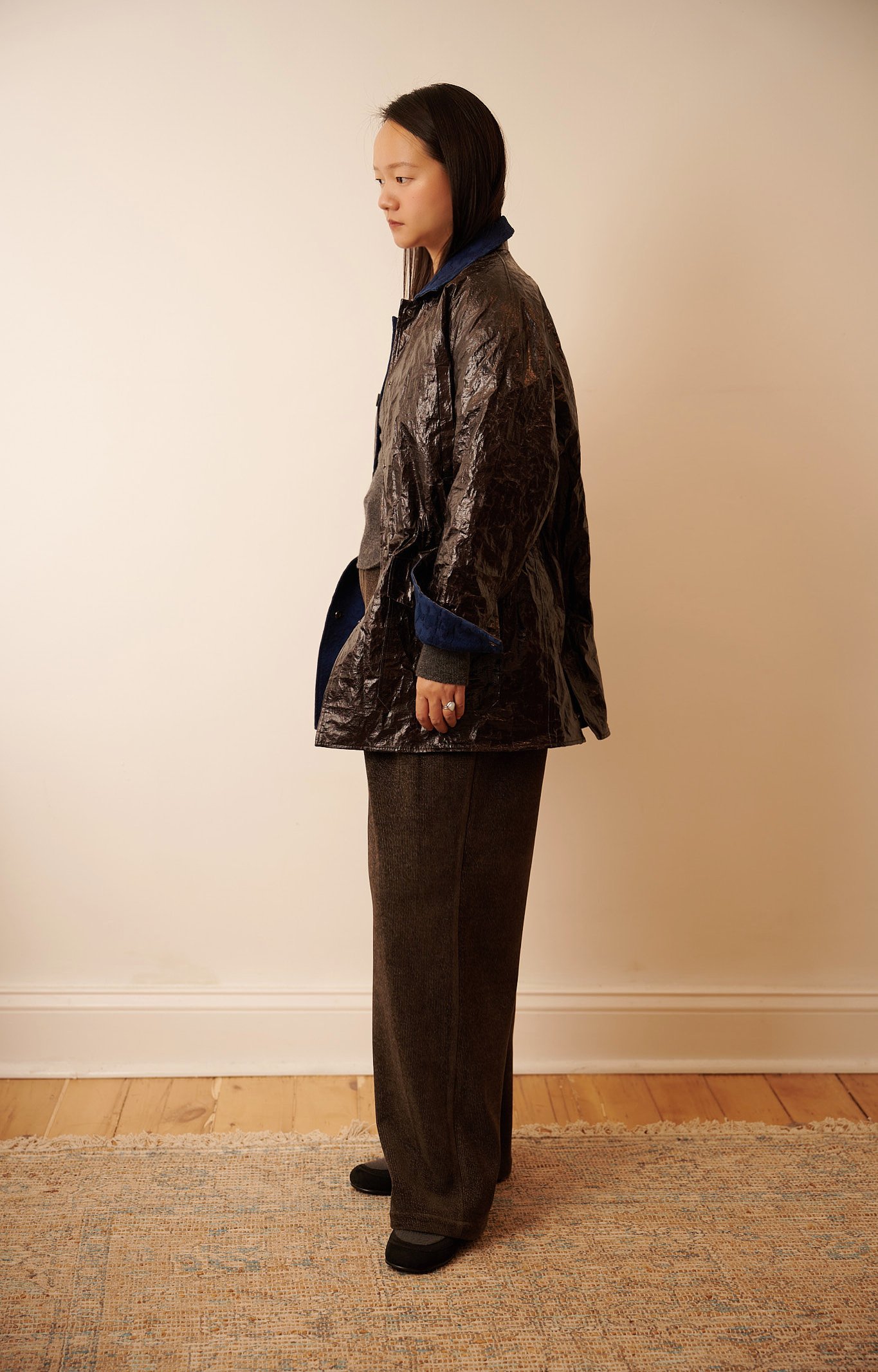
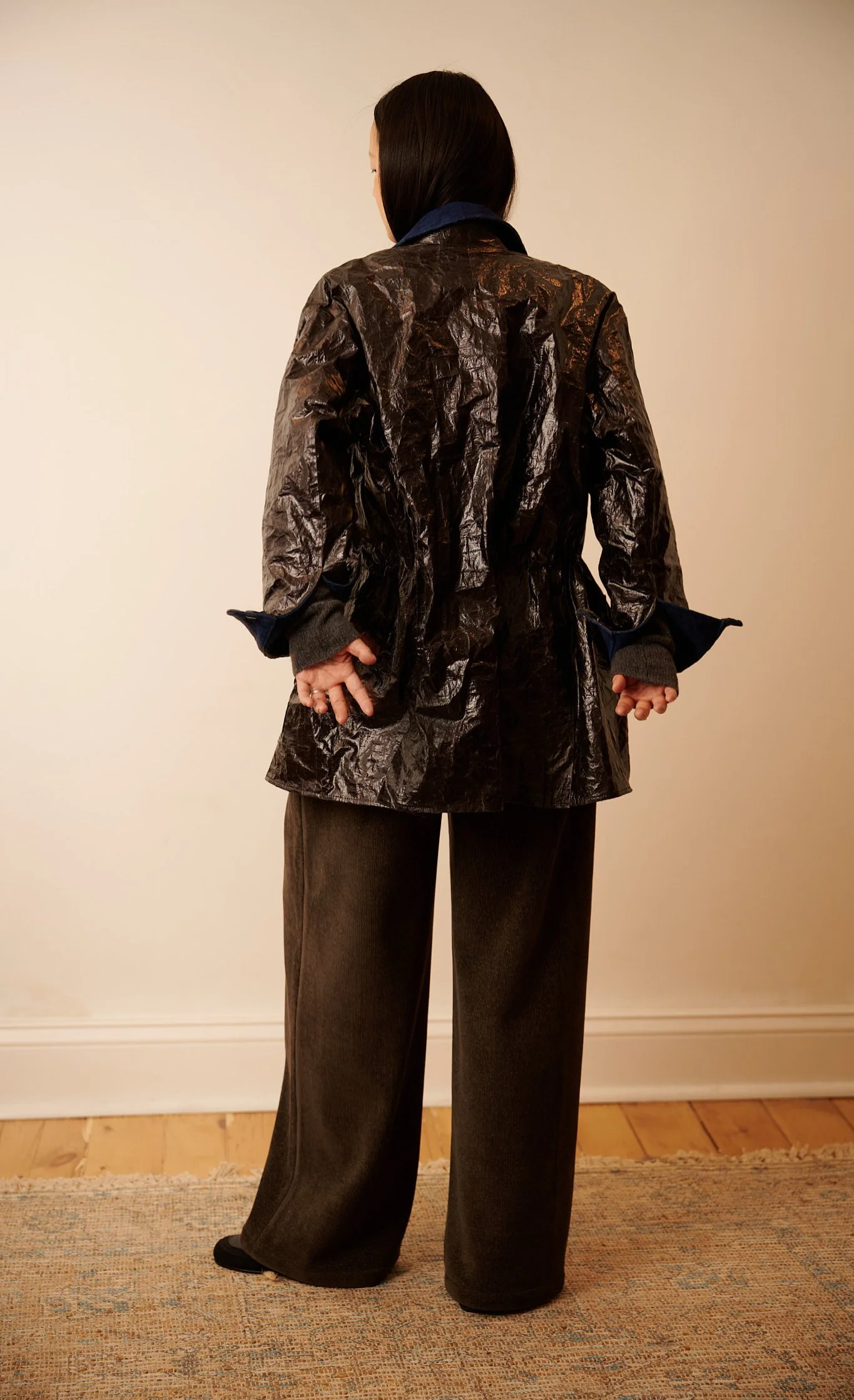
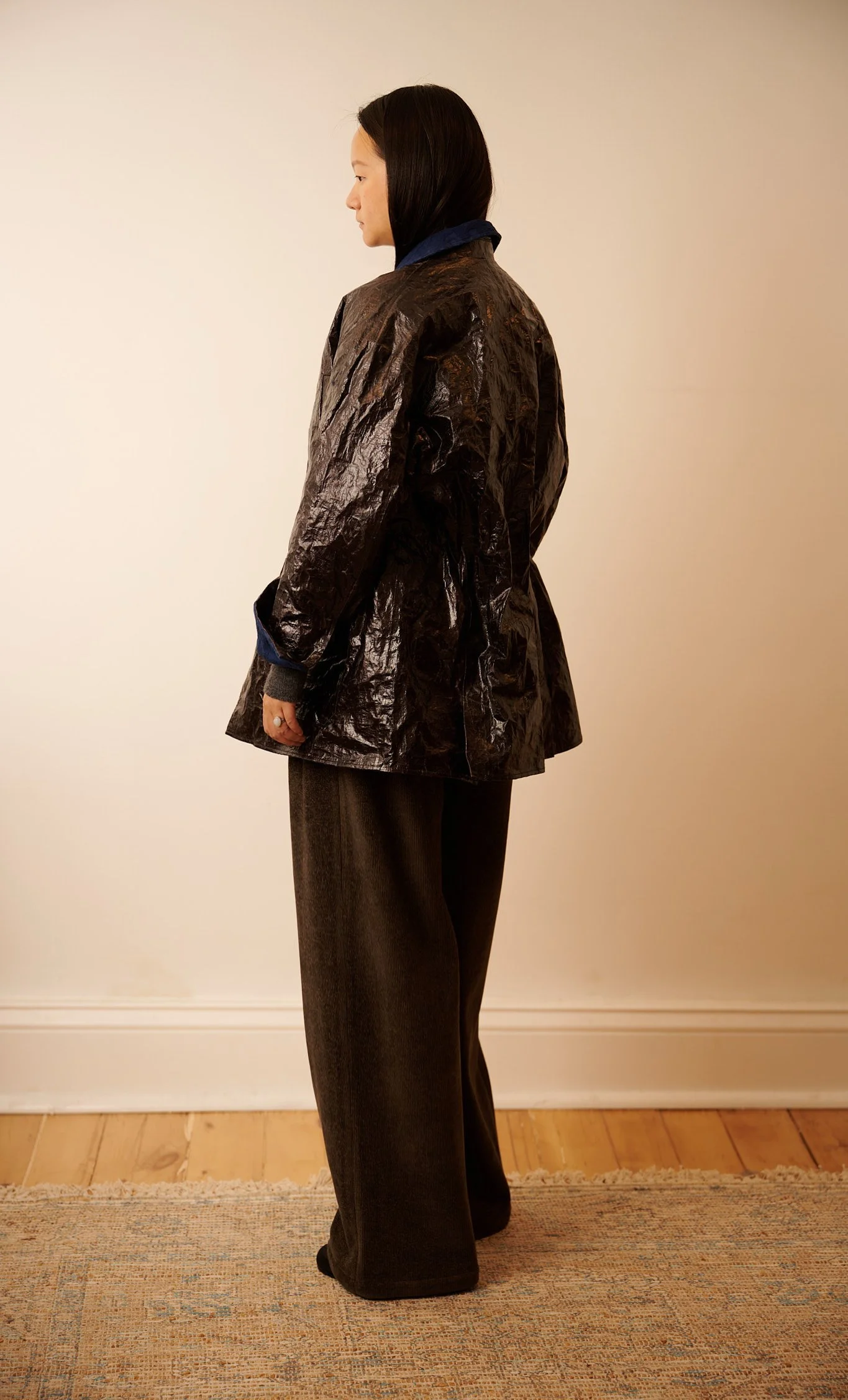
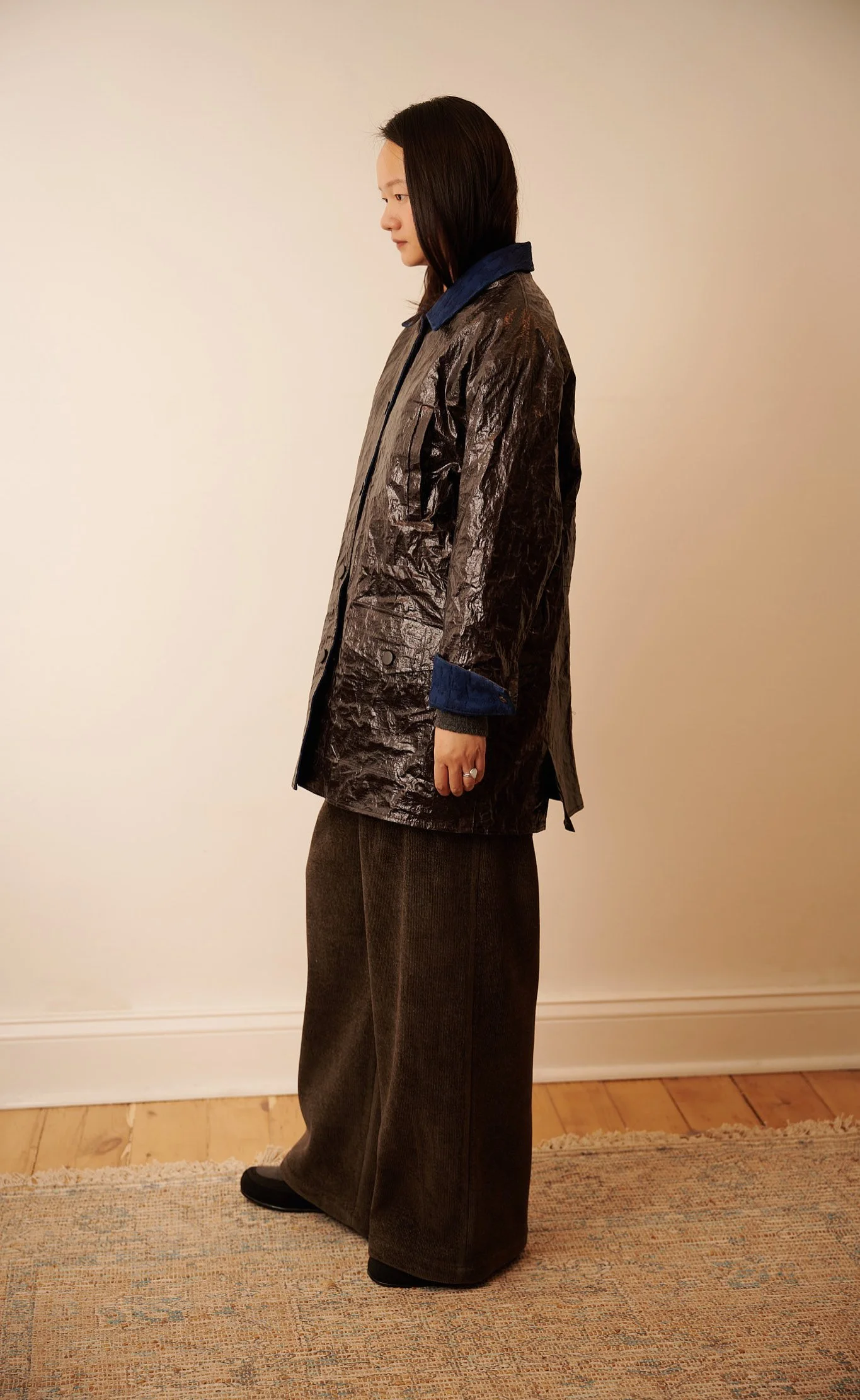
 Image 1 of 10
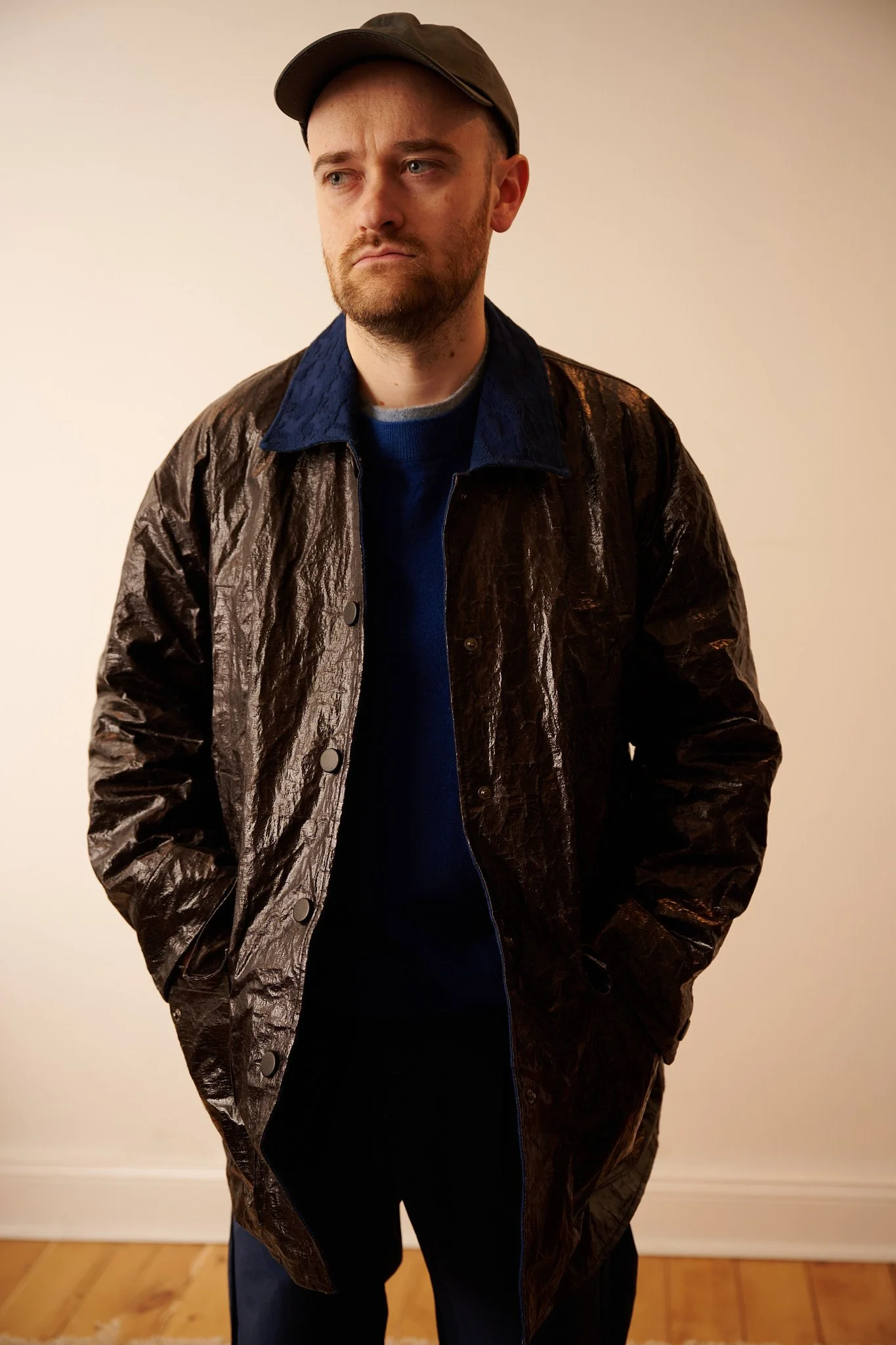 Image 2 of 10
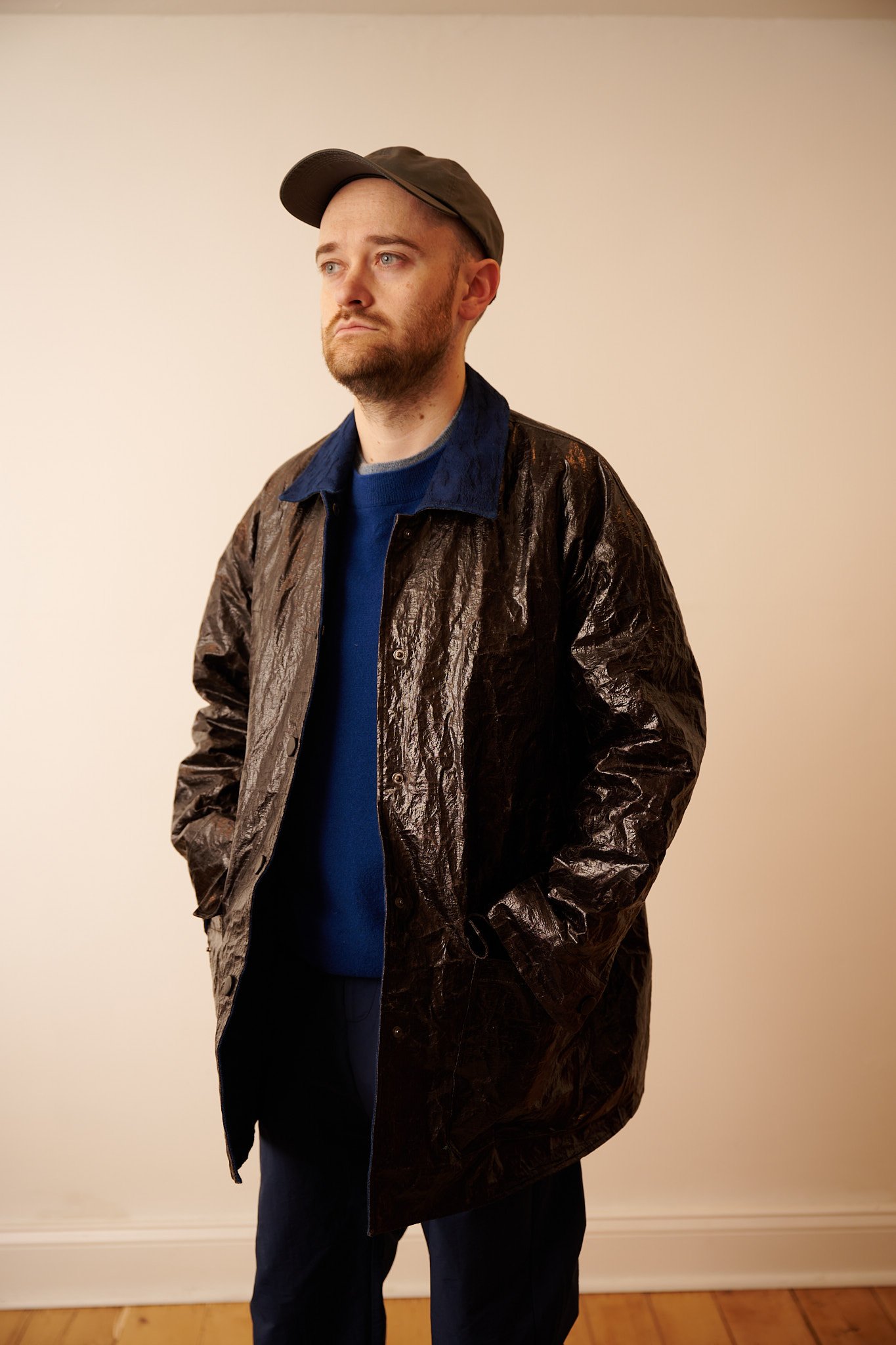 Image 3 of 10
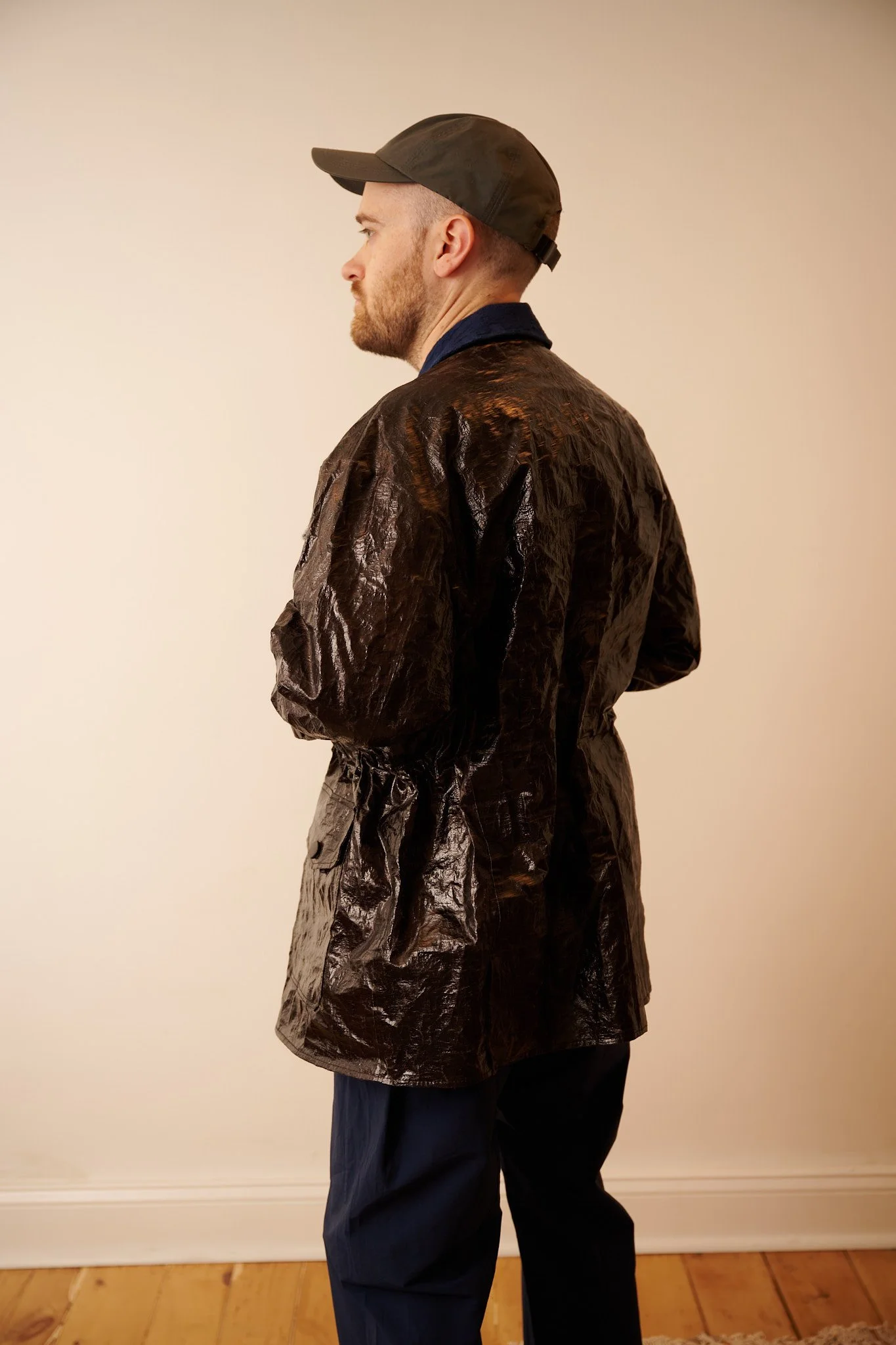 Image 4 of 10
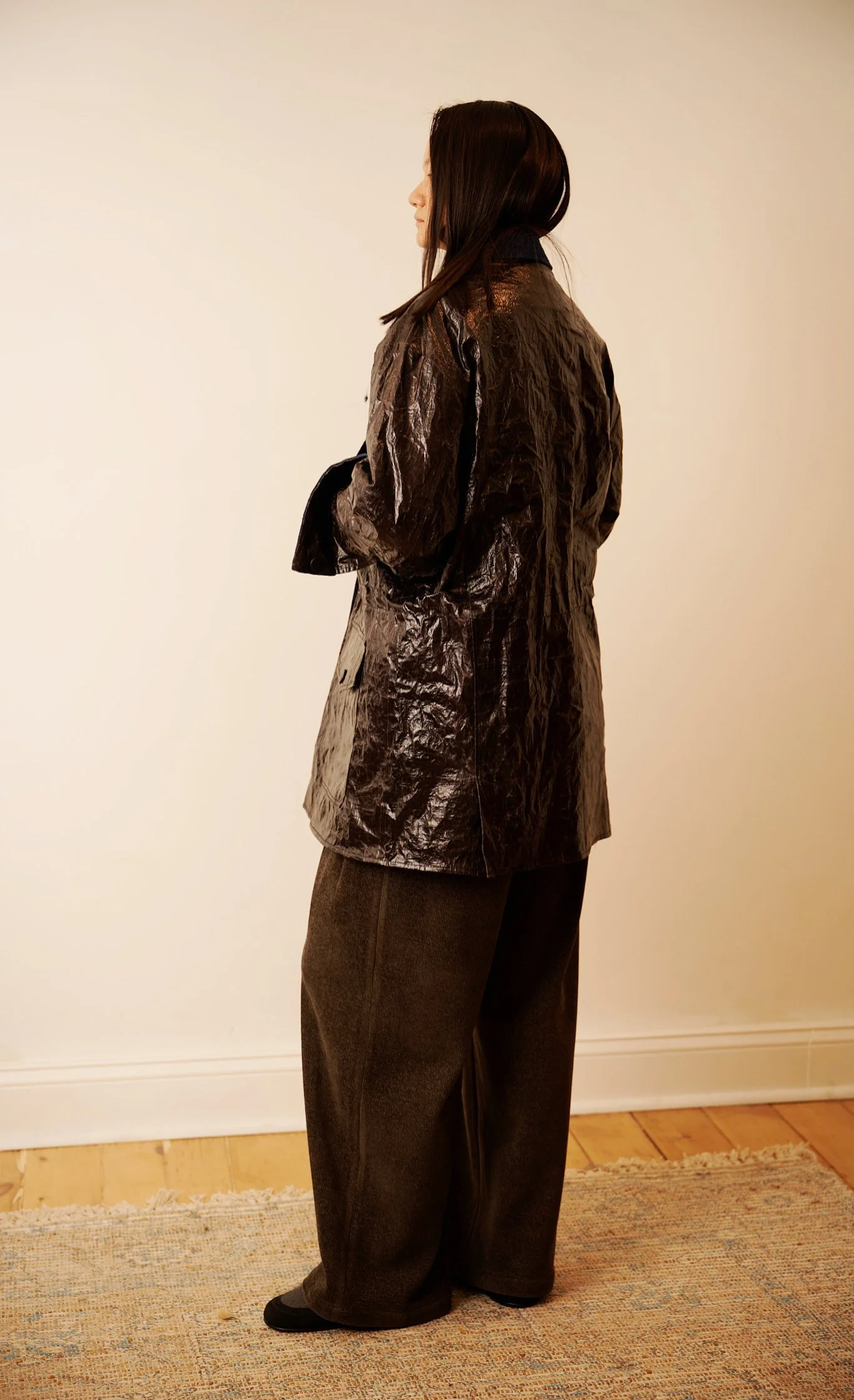 Image 5 of 10
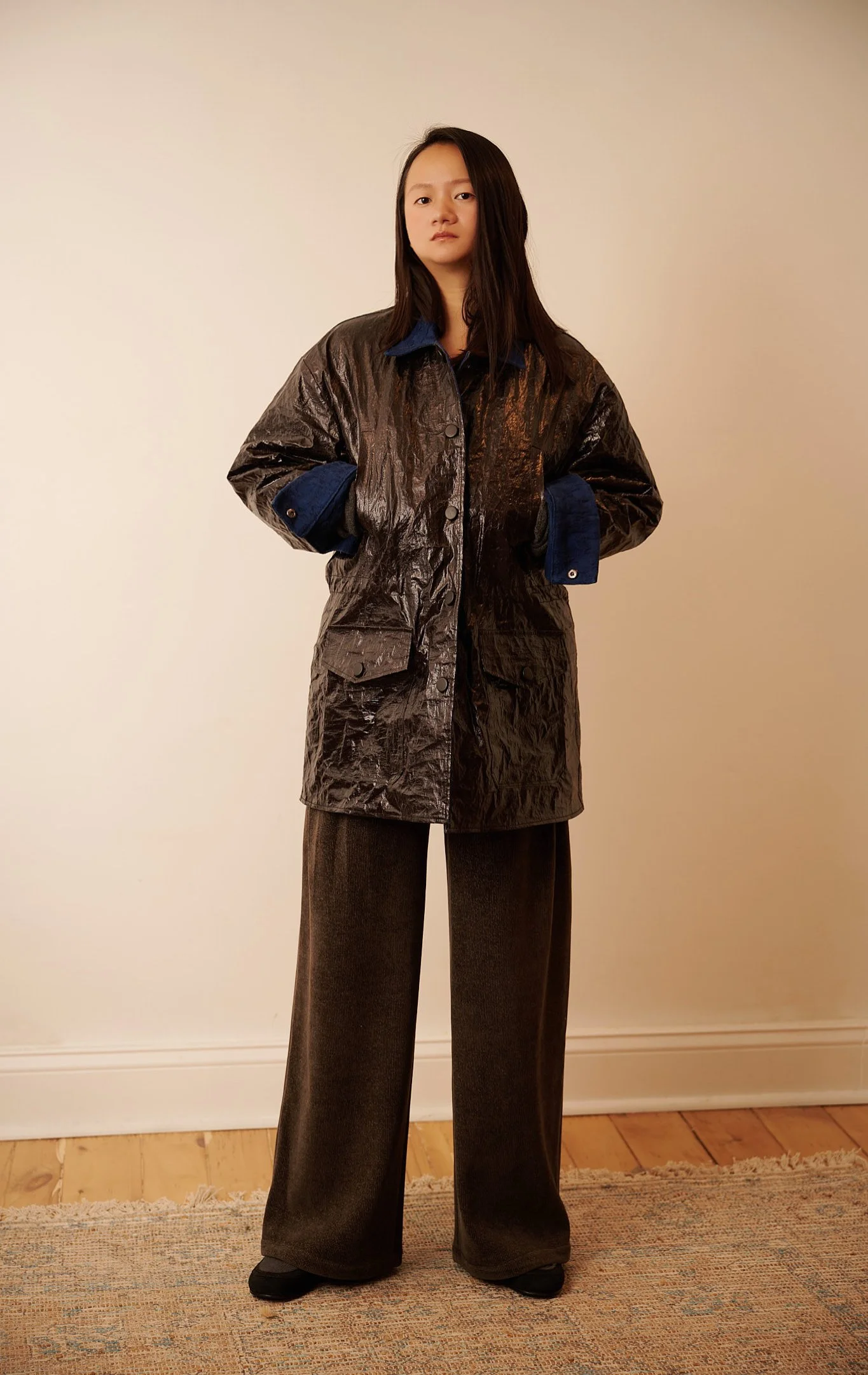 Image 6 of 10
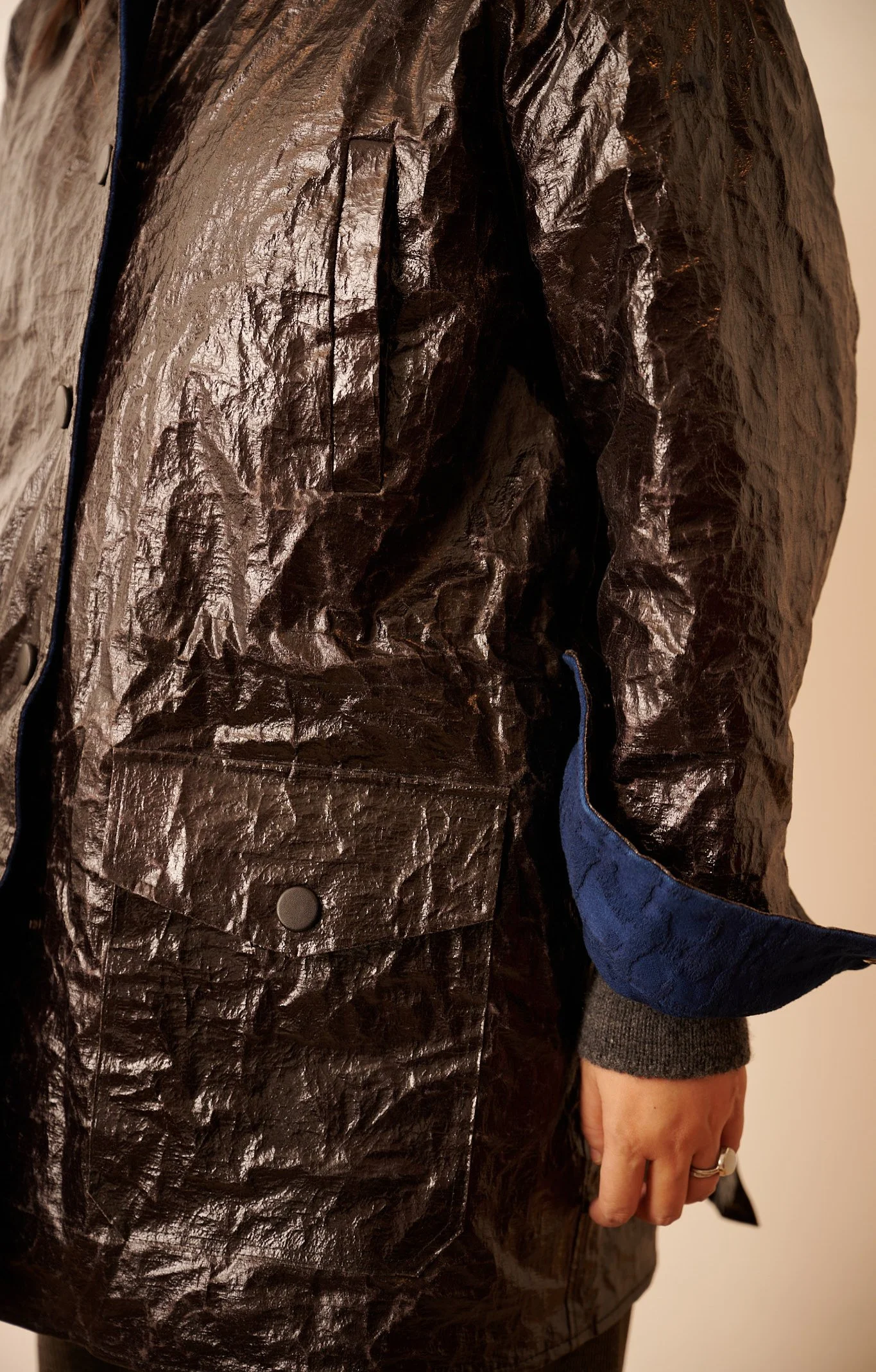 Image 7 of 10
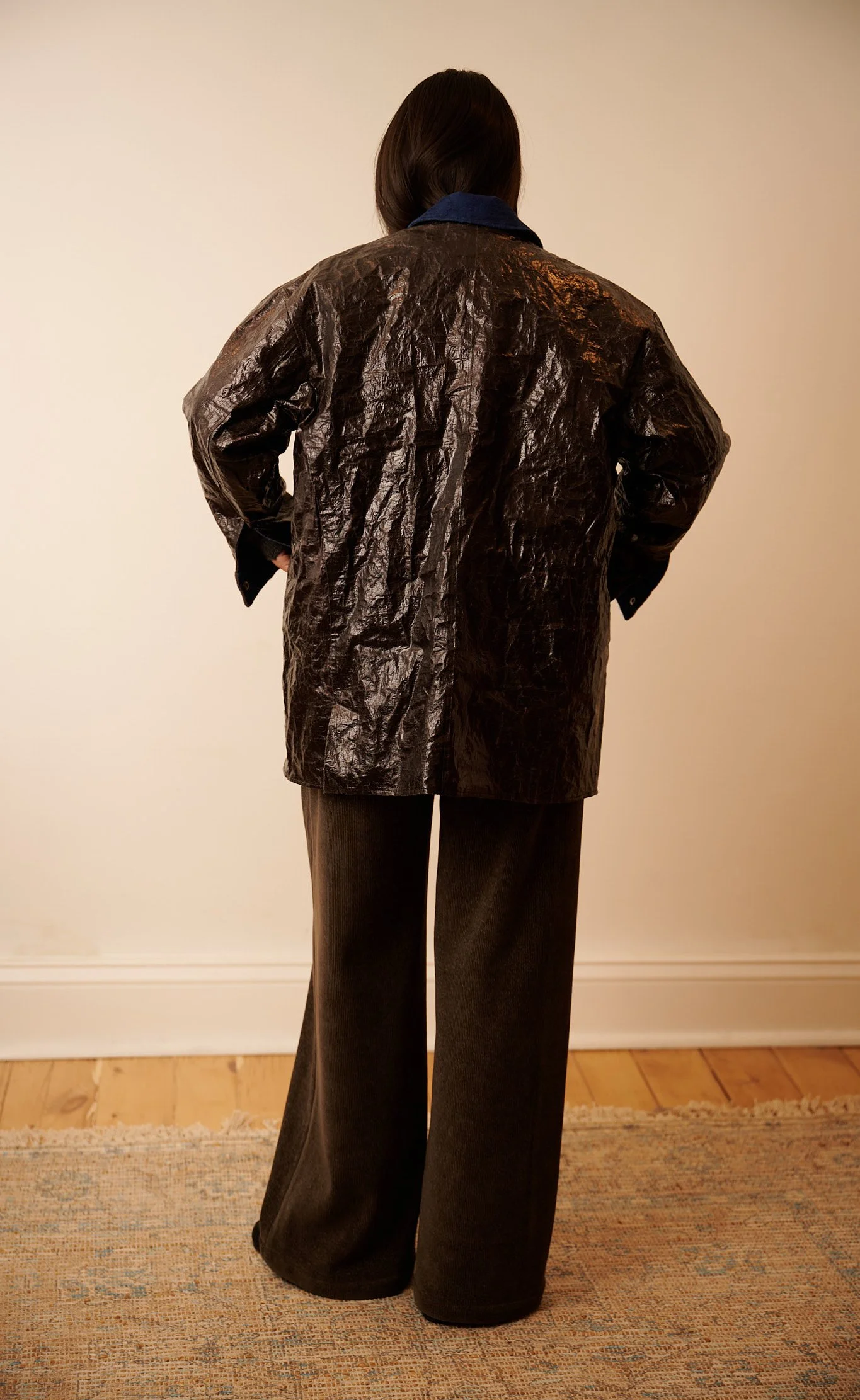 Image 8 of 10
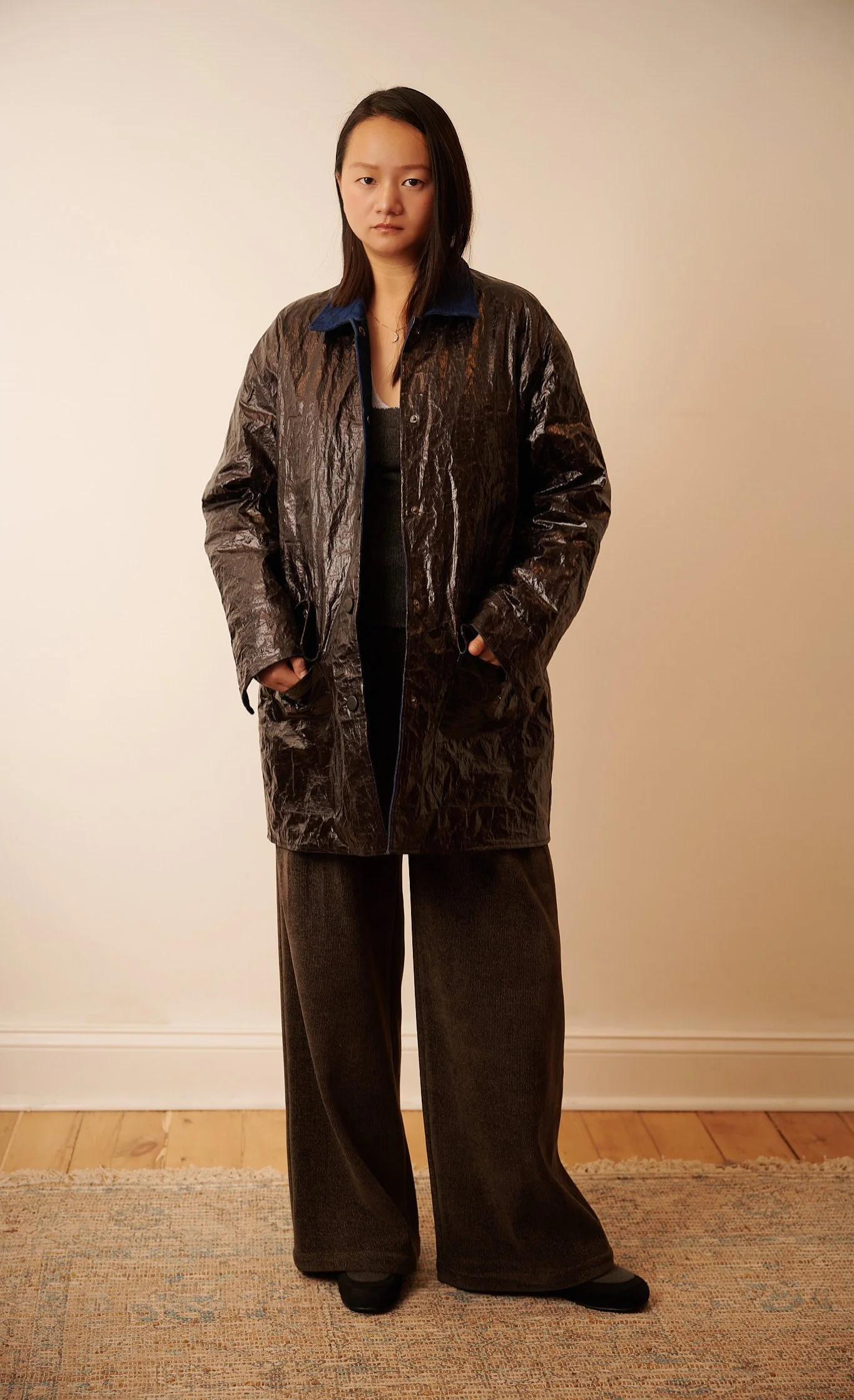 Image 9 of 10
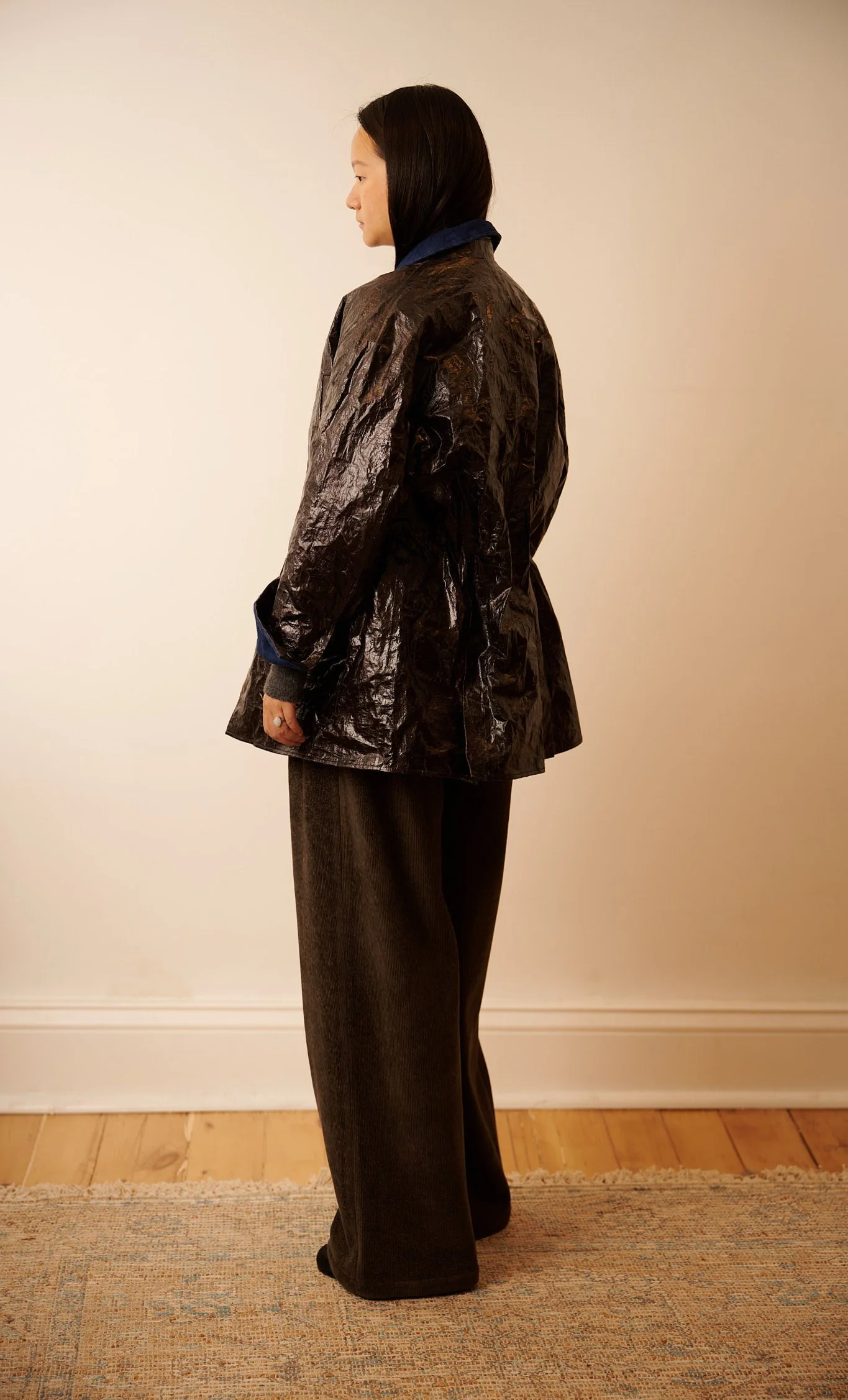 Image 10 of 10
About design
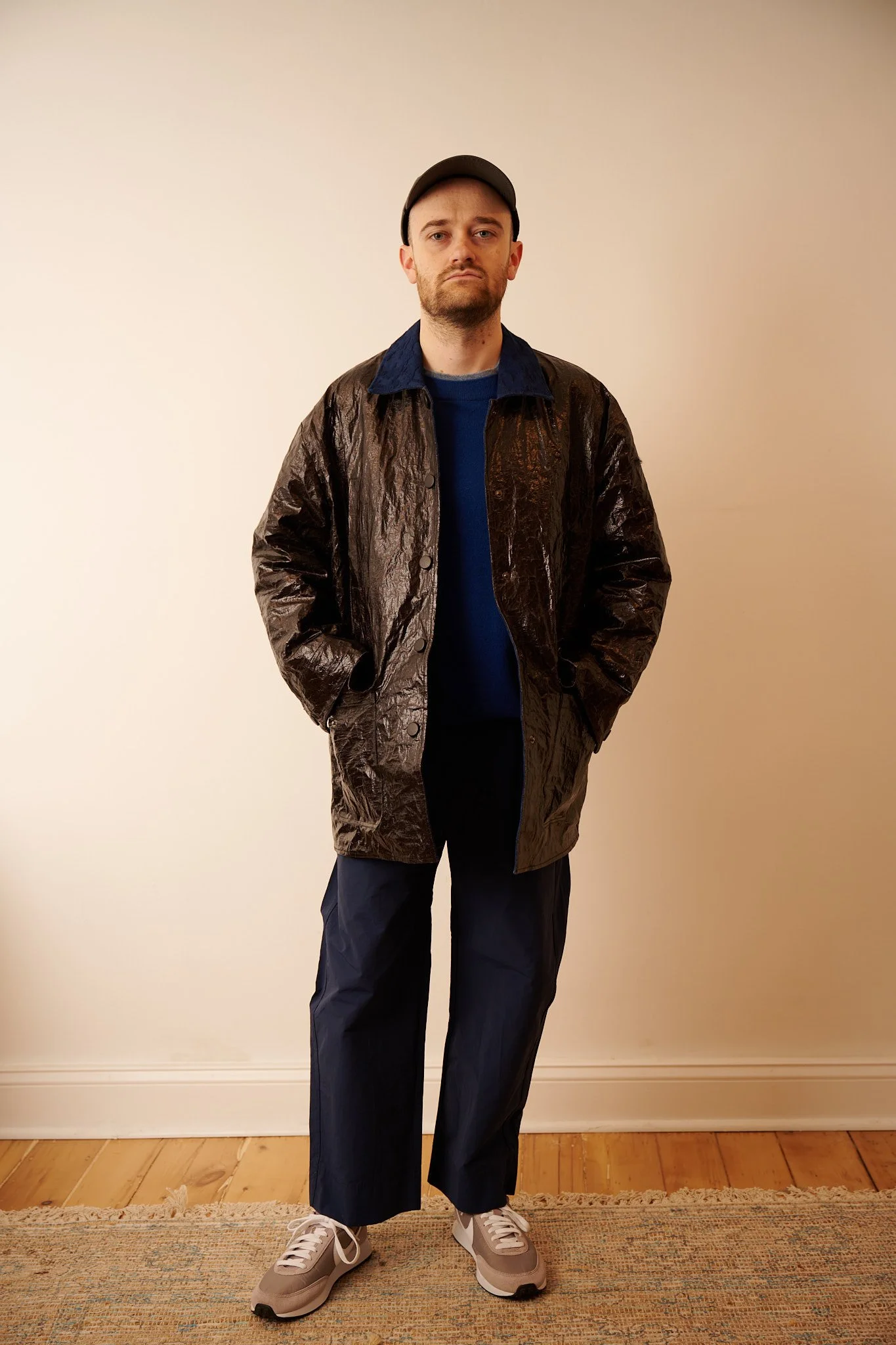
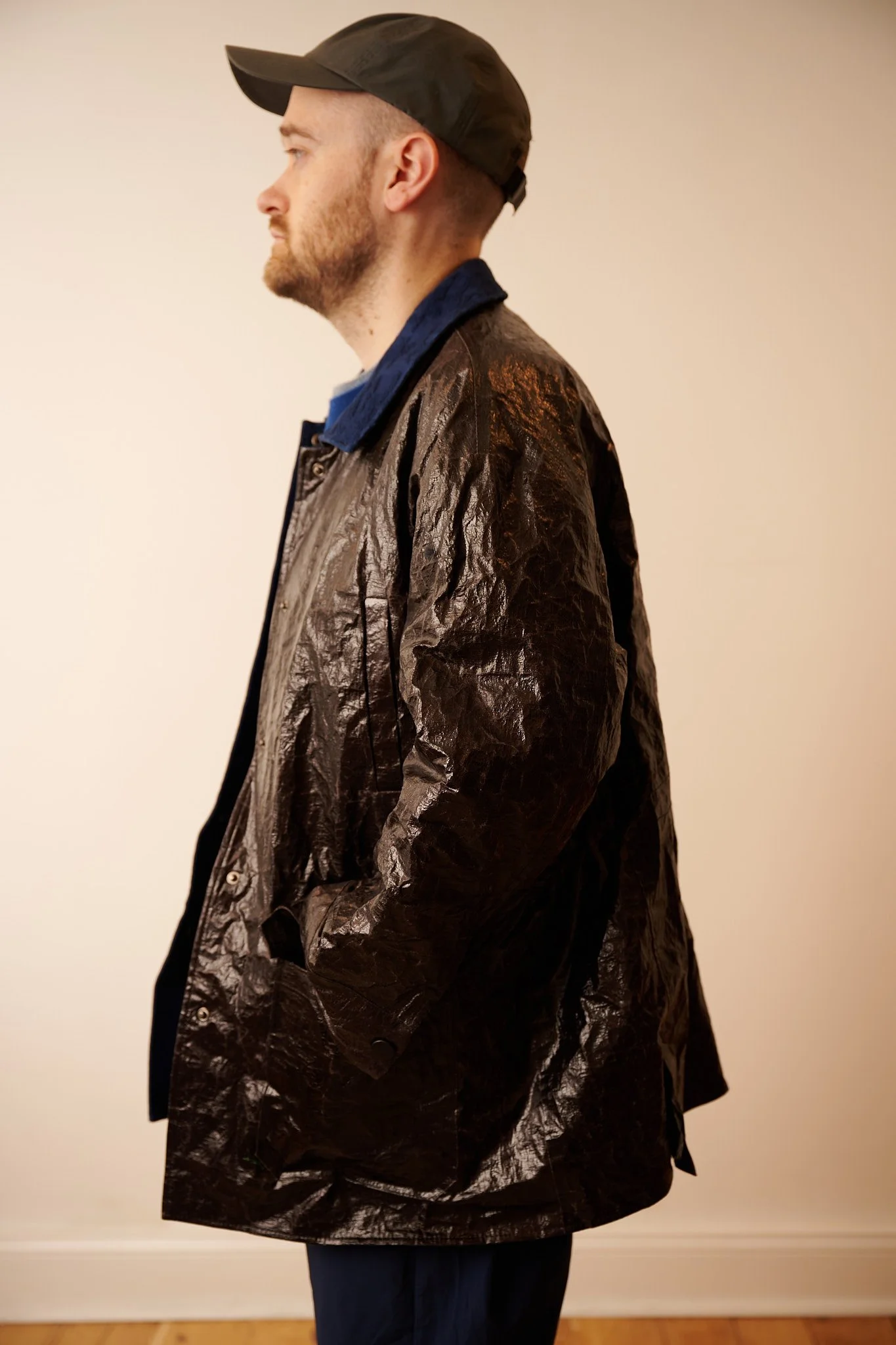
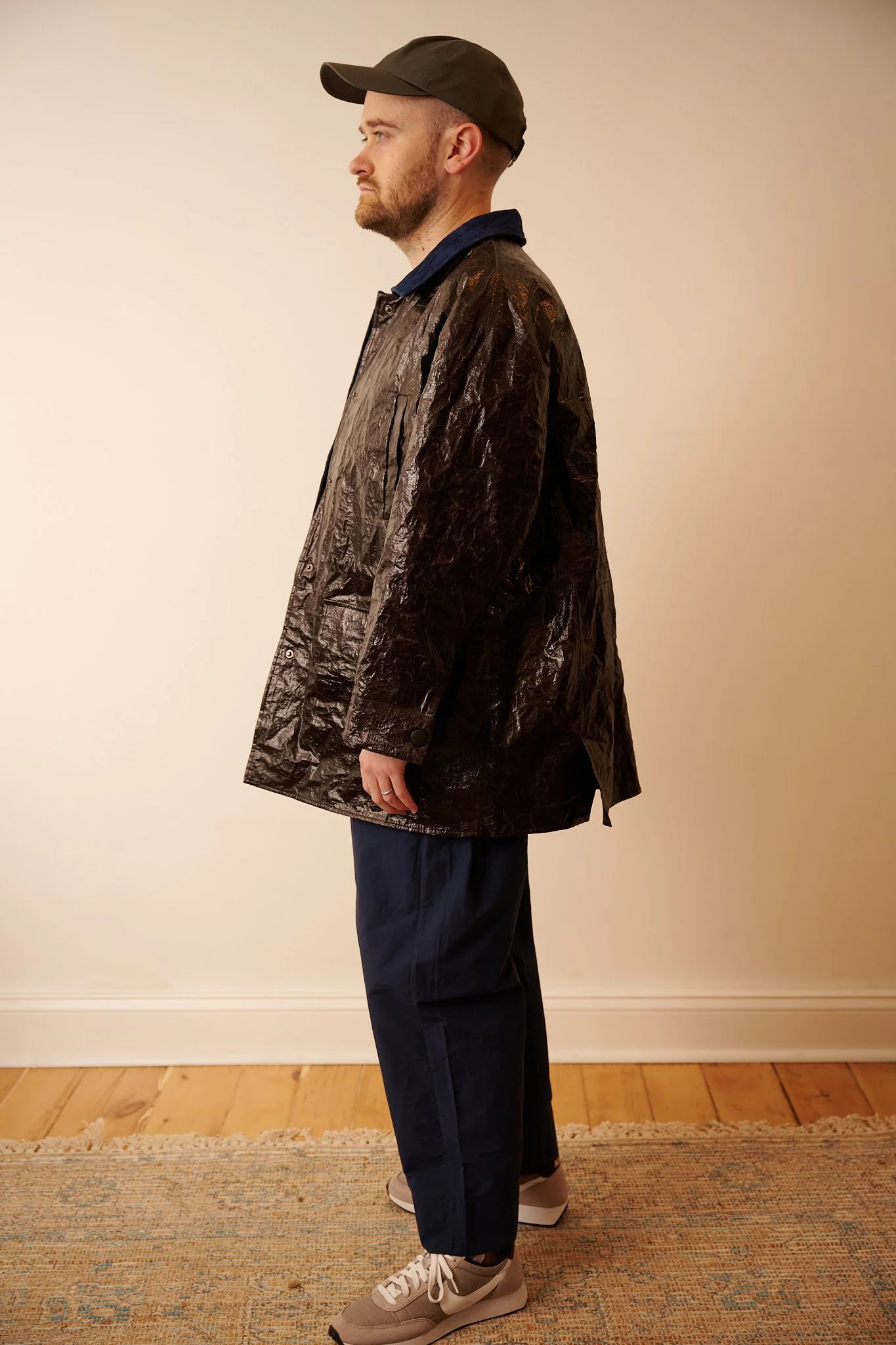
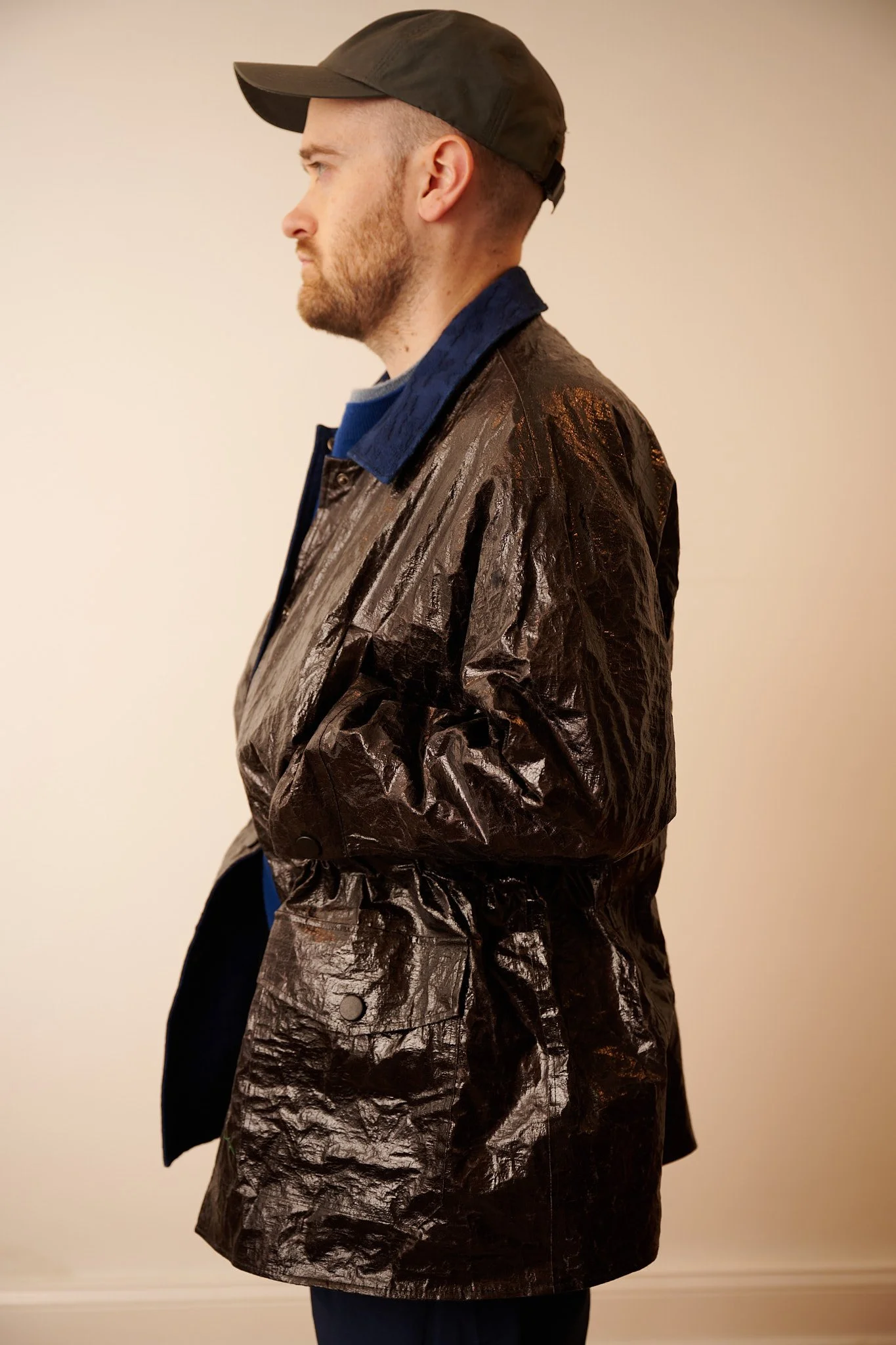
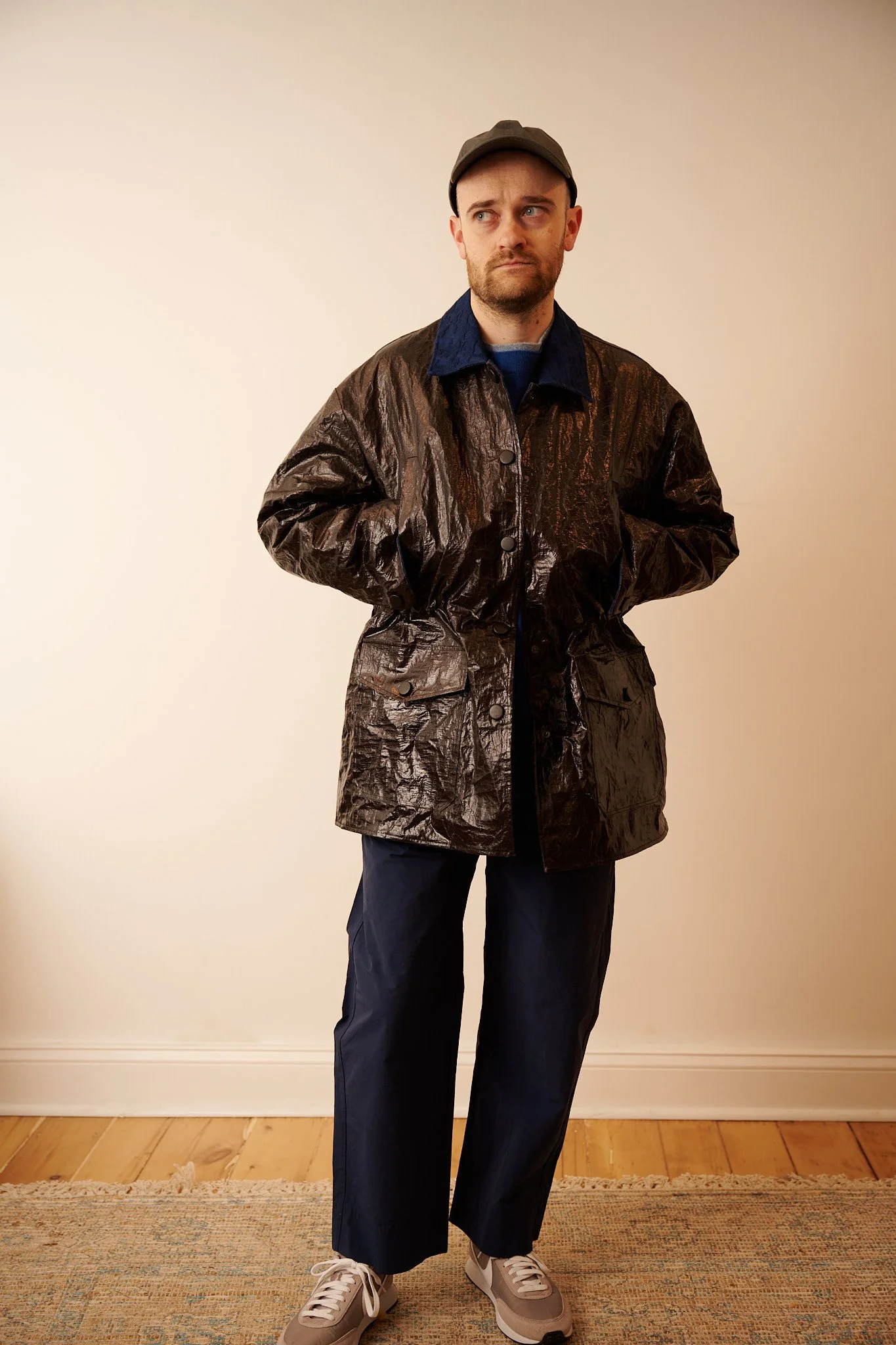
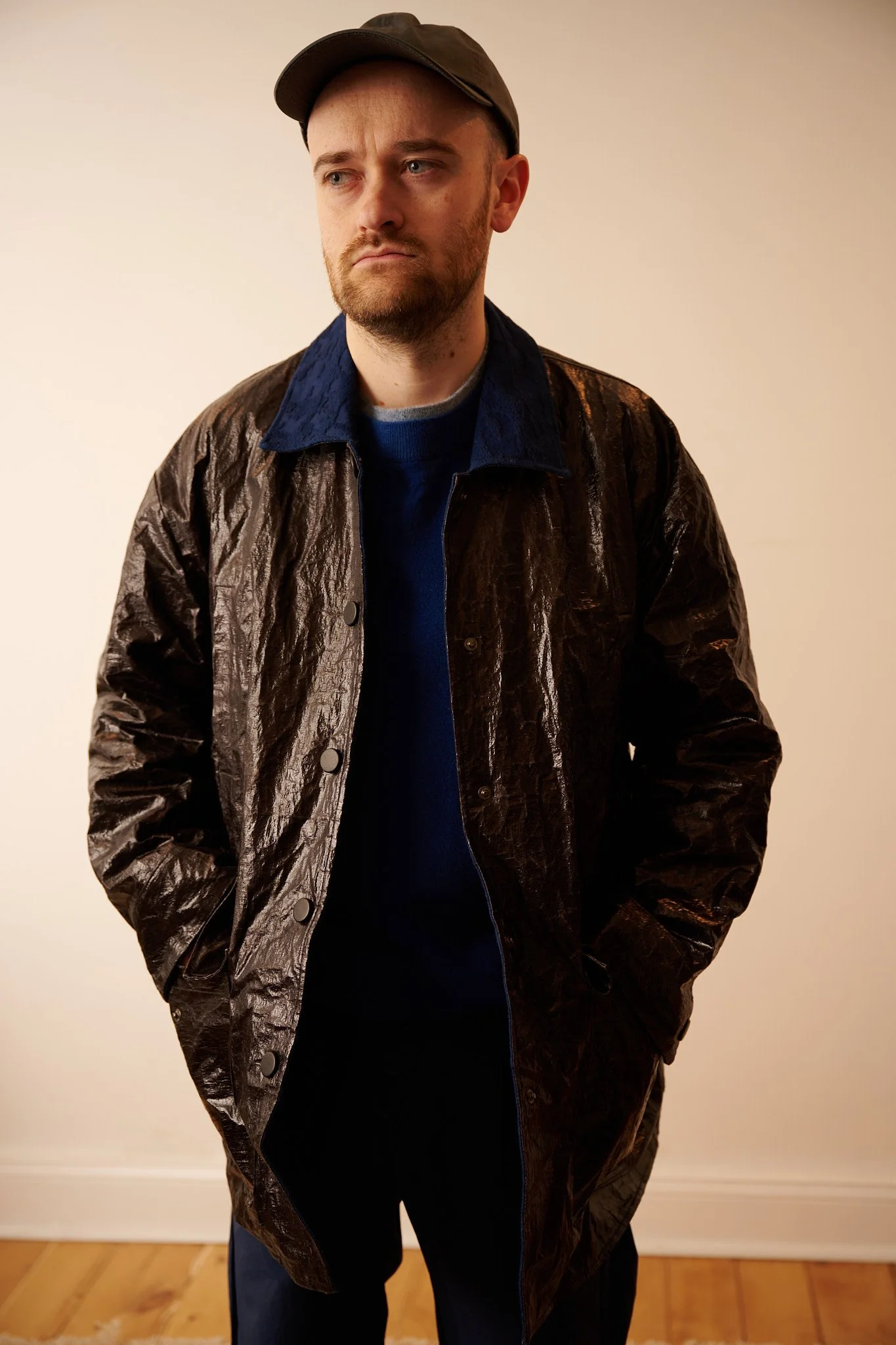
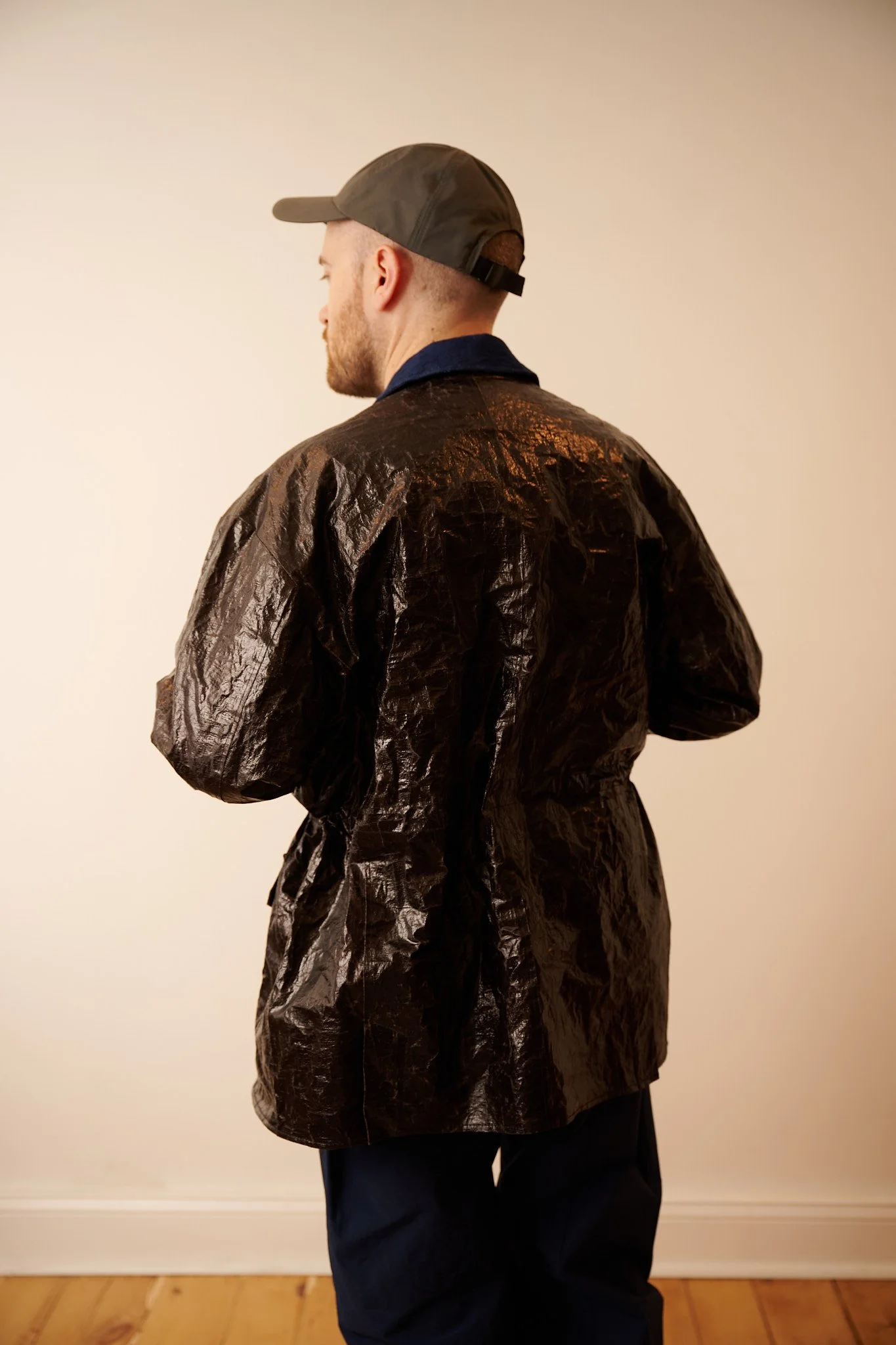
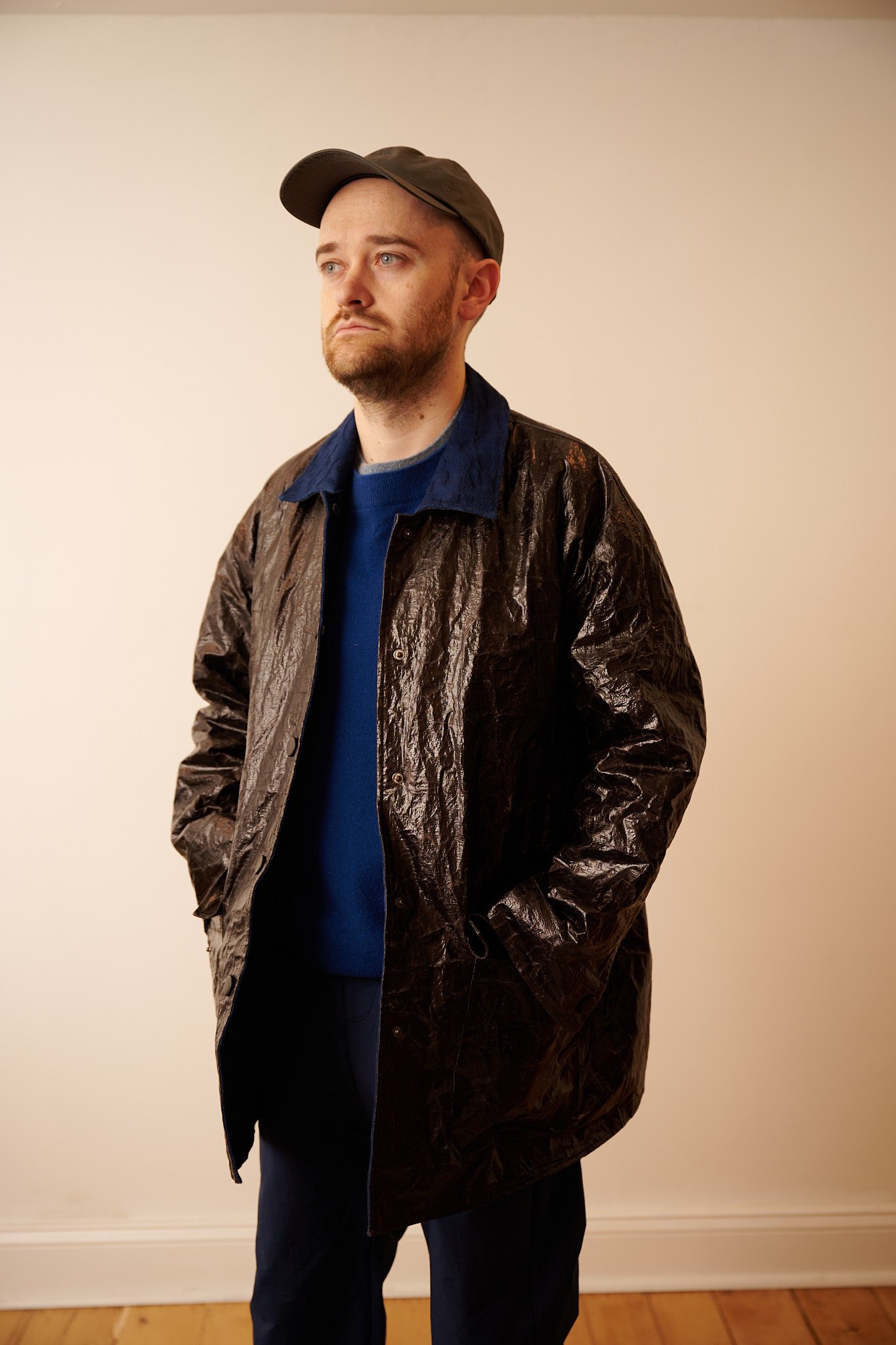
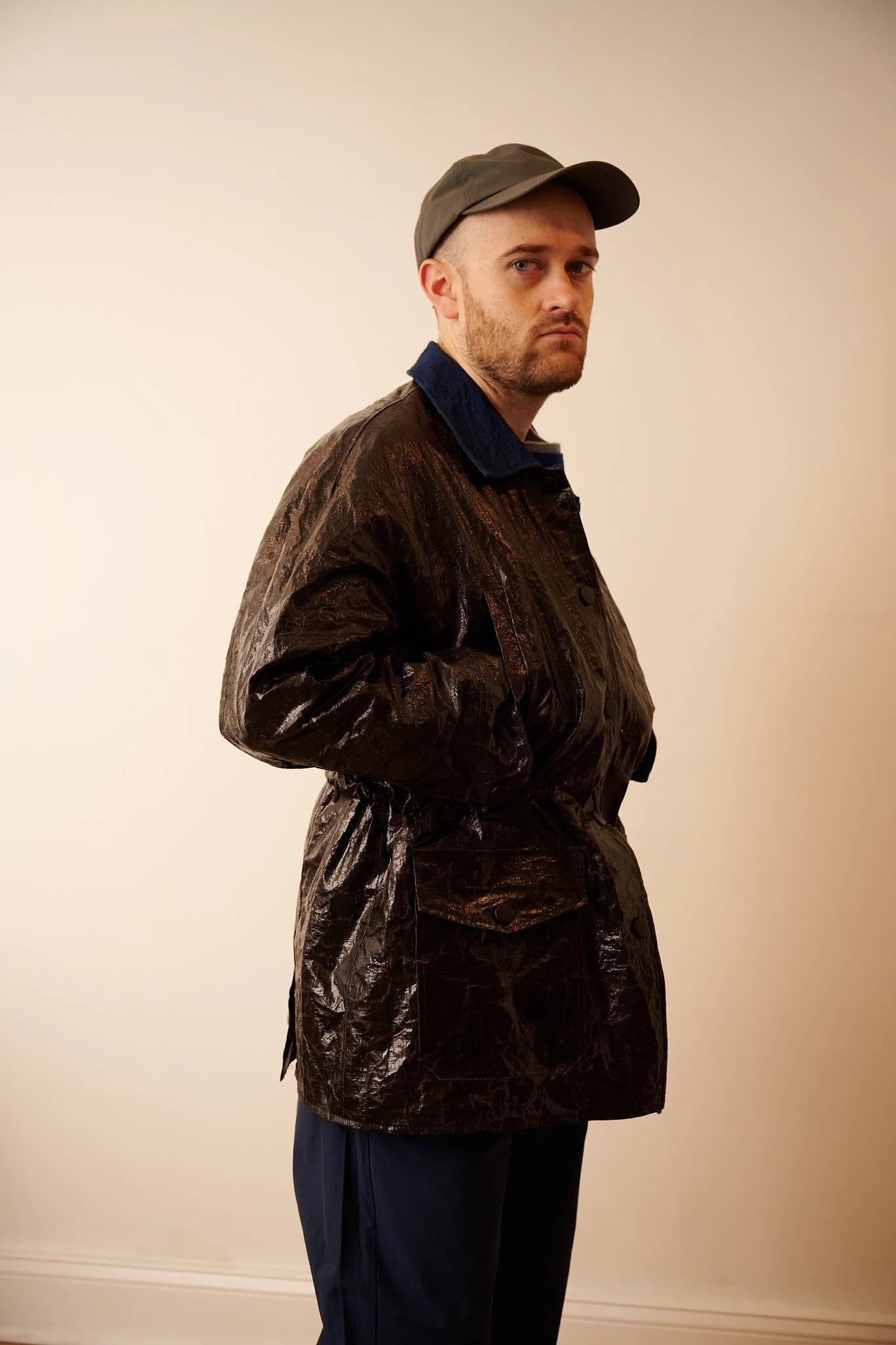
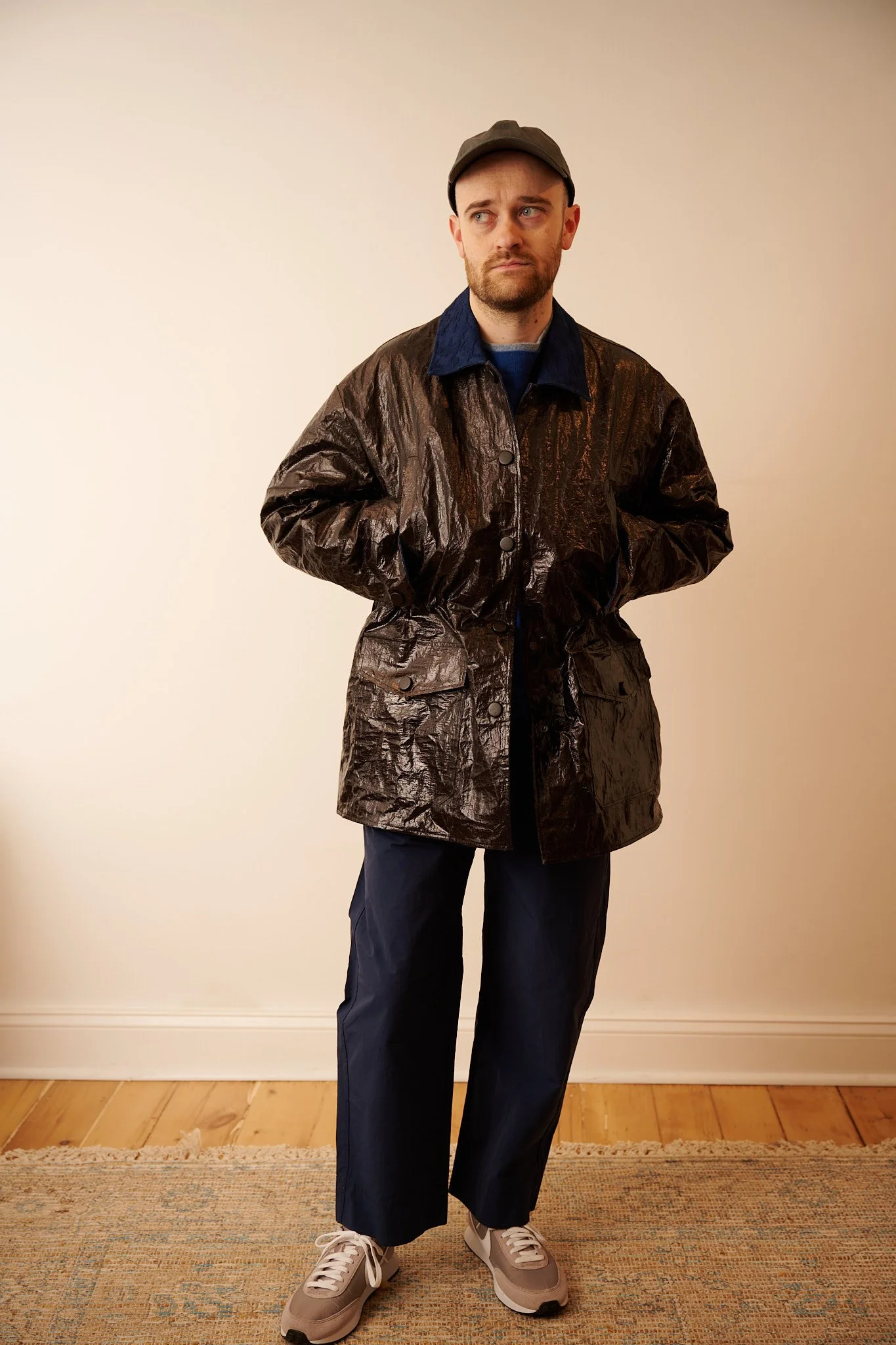
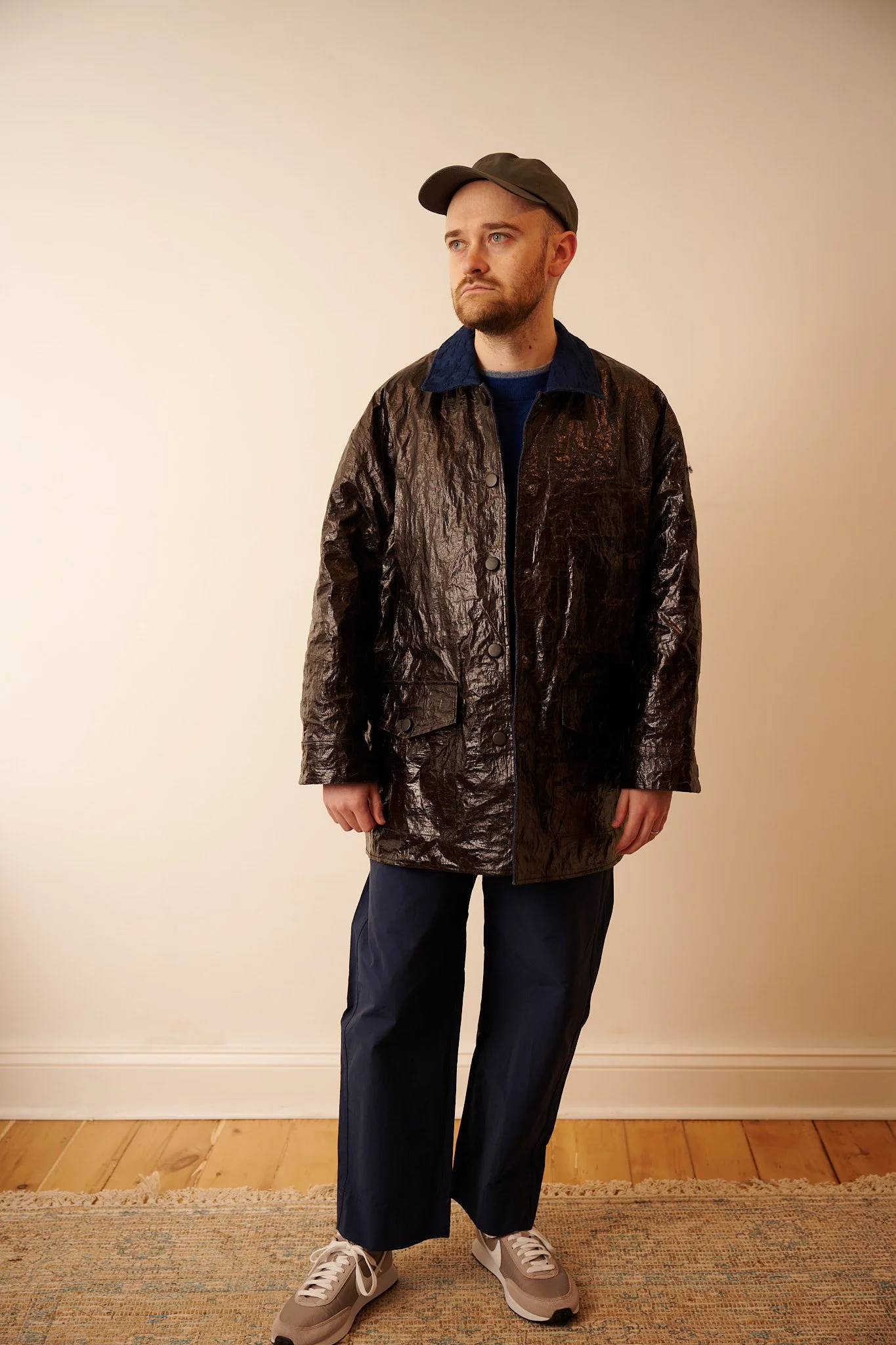
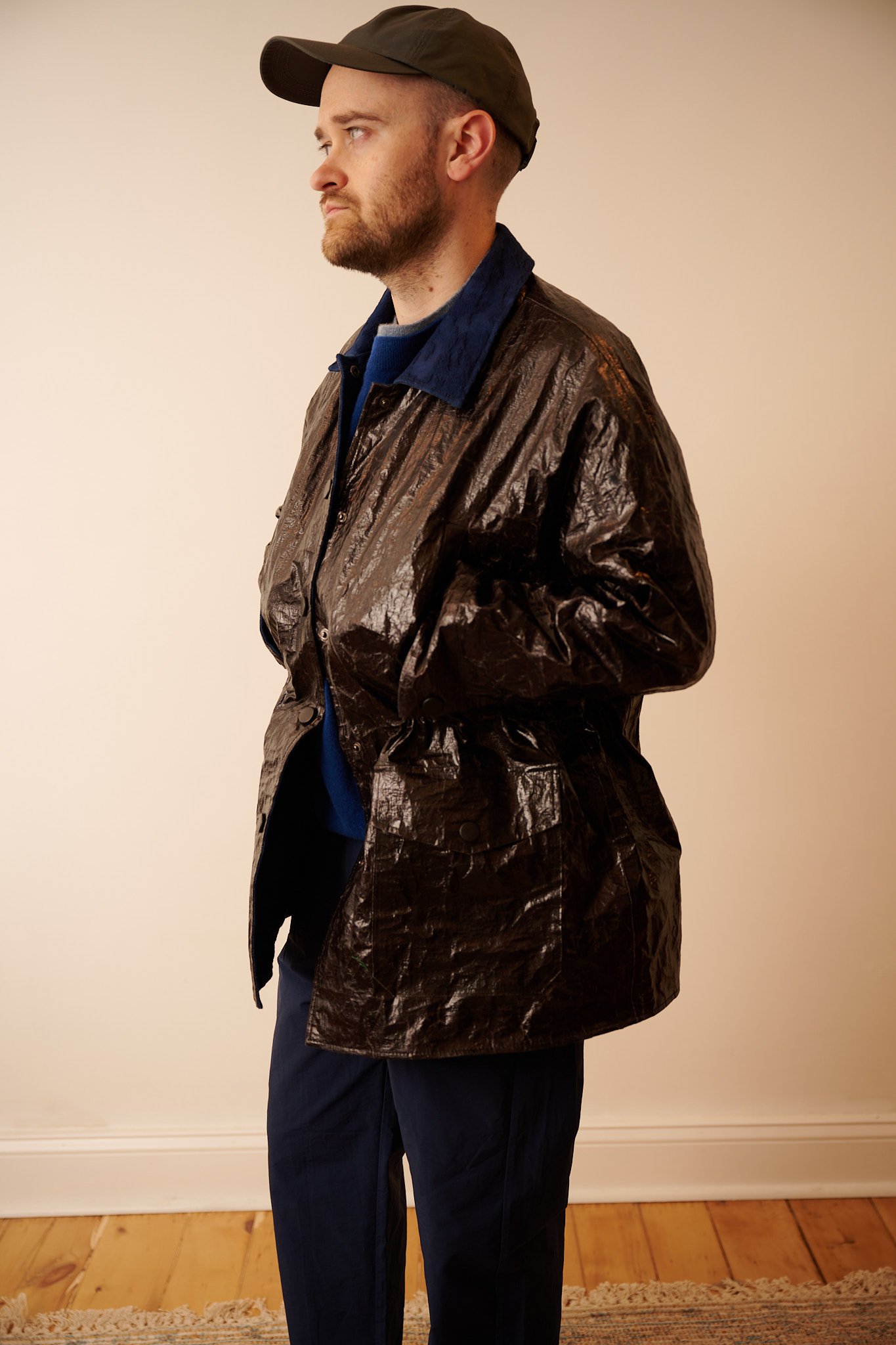
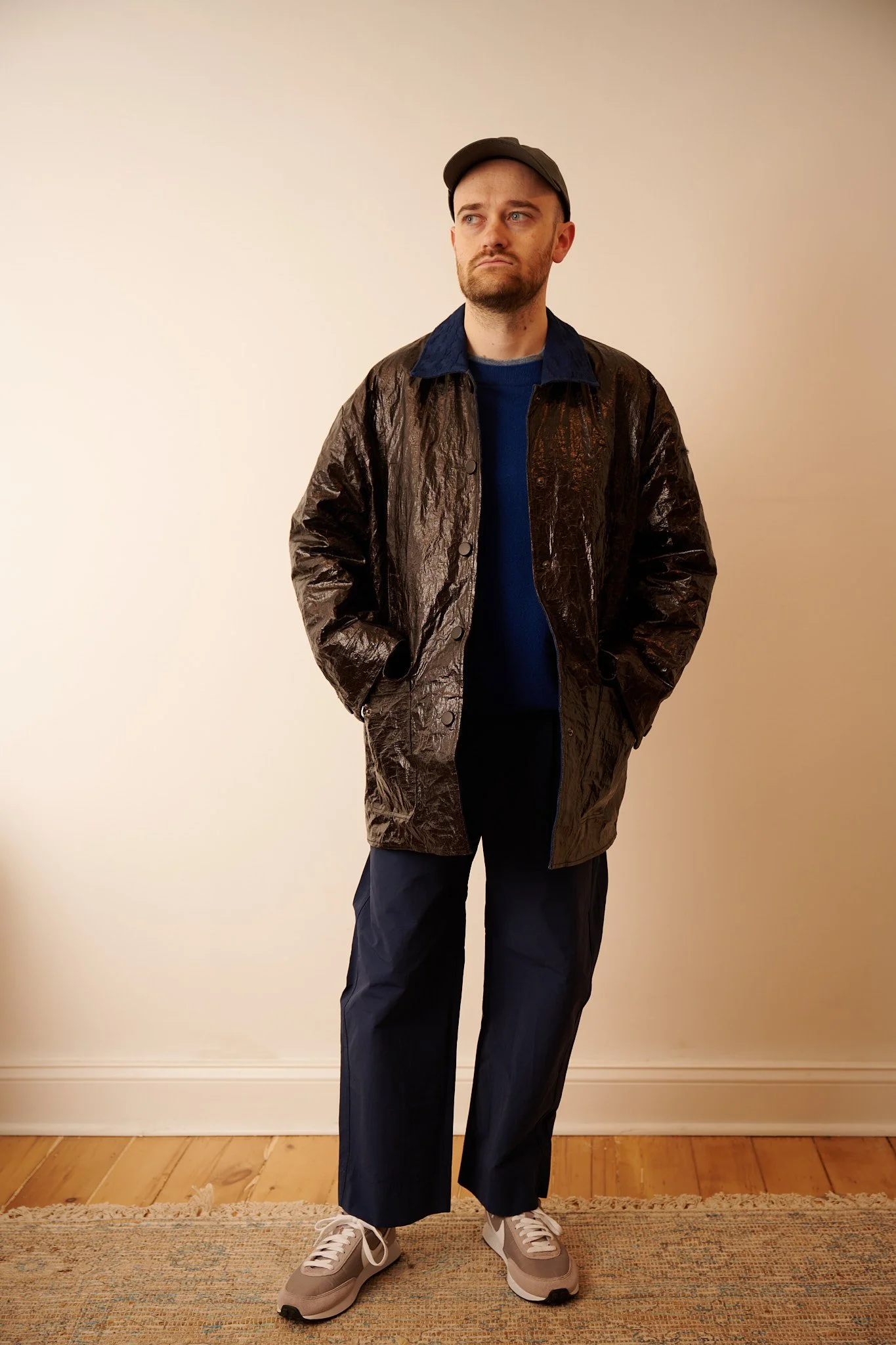
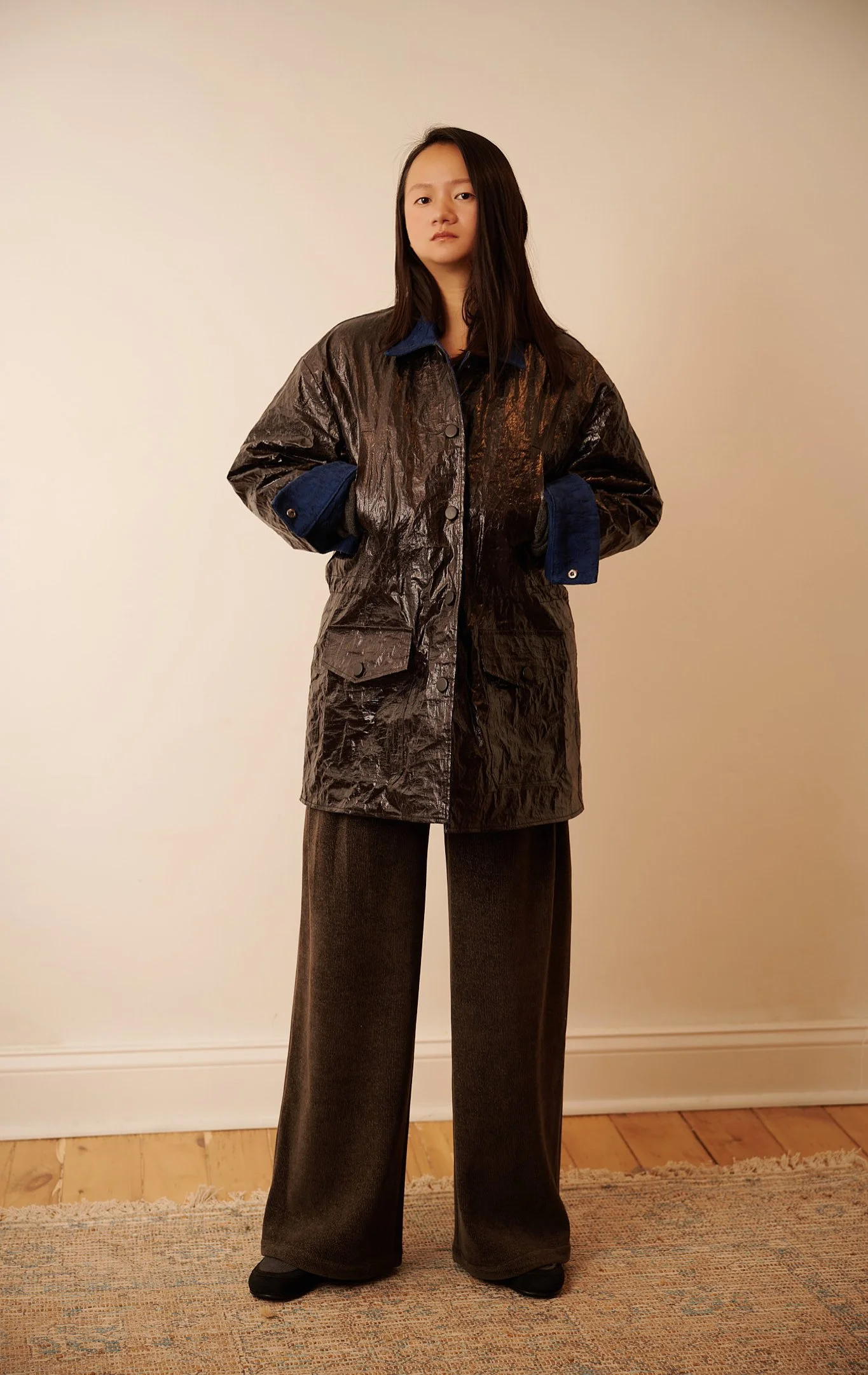
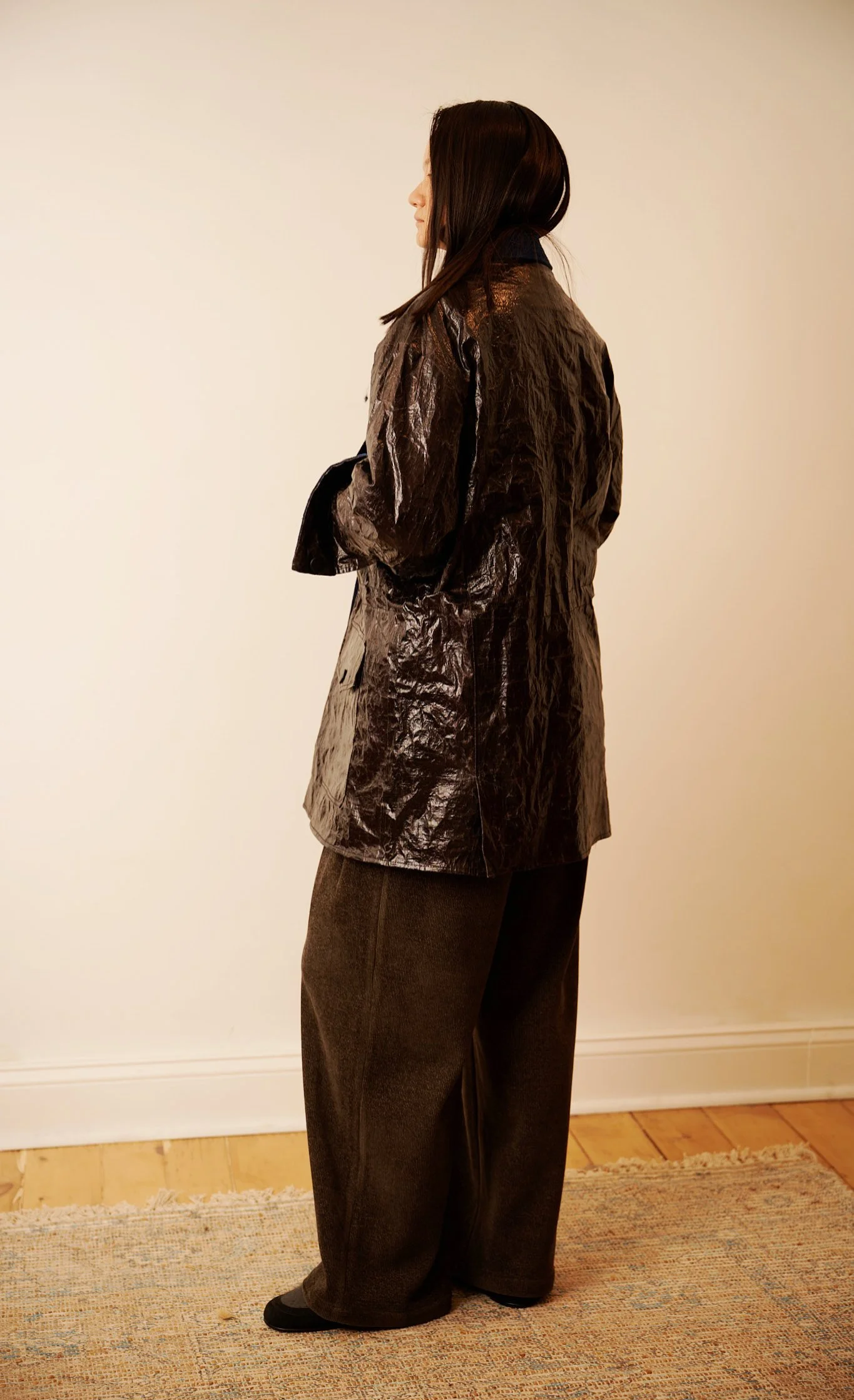
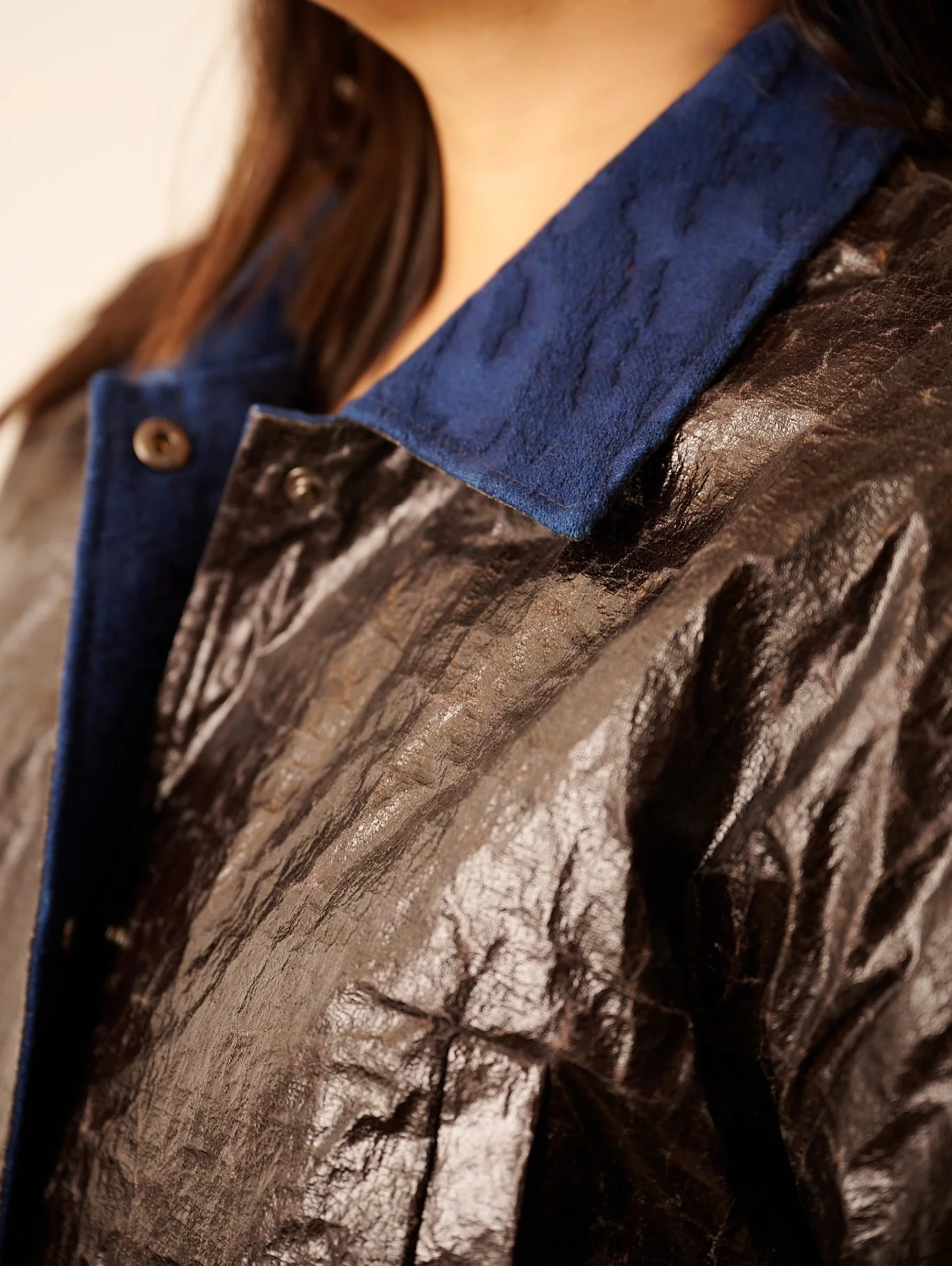
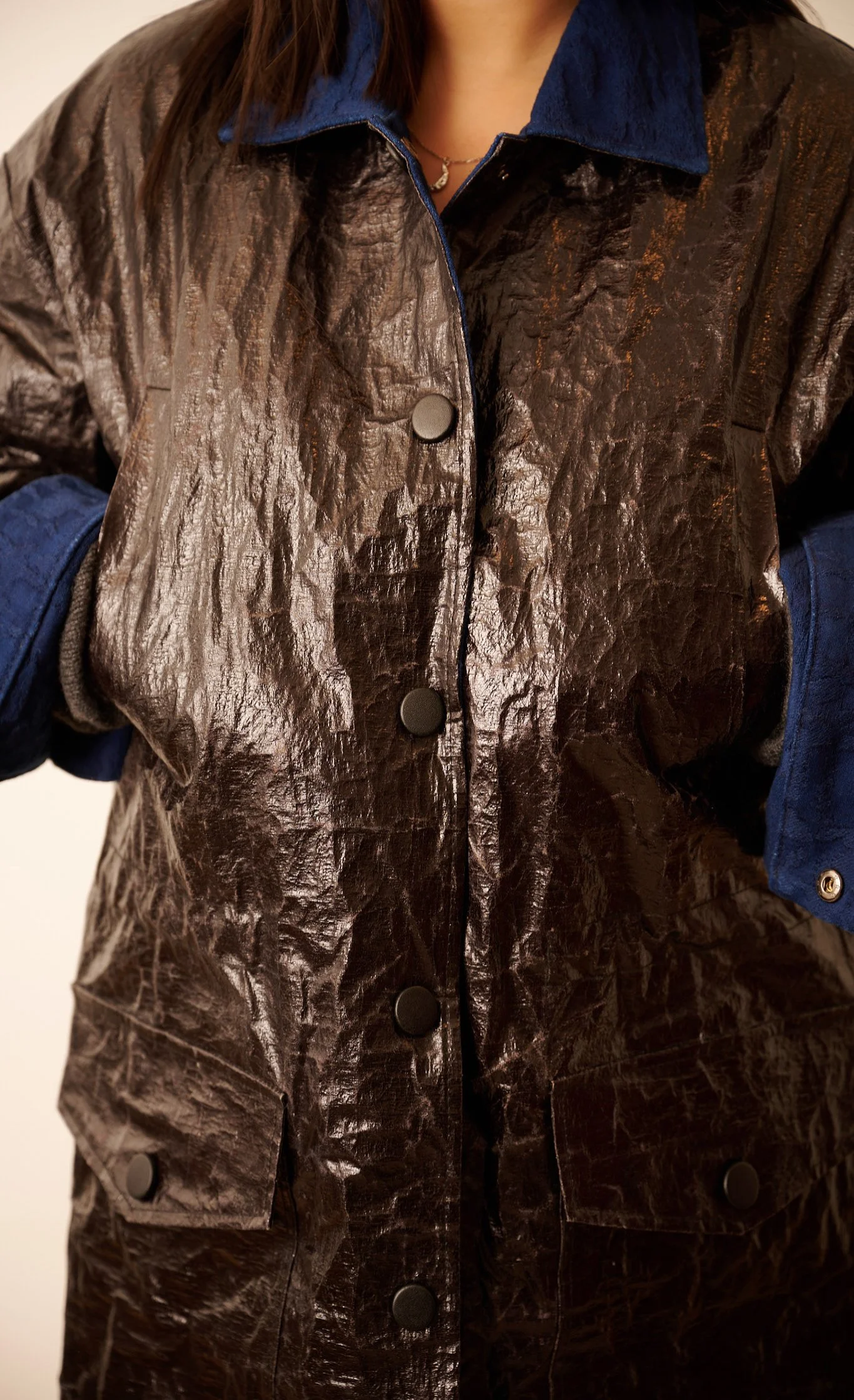
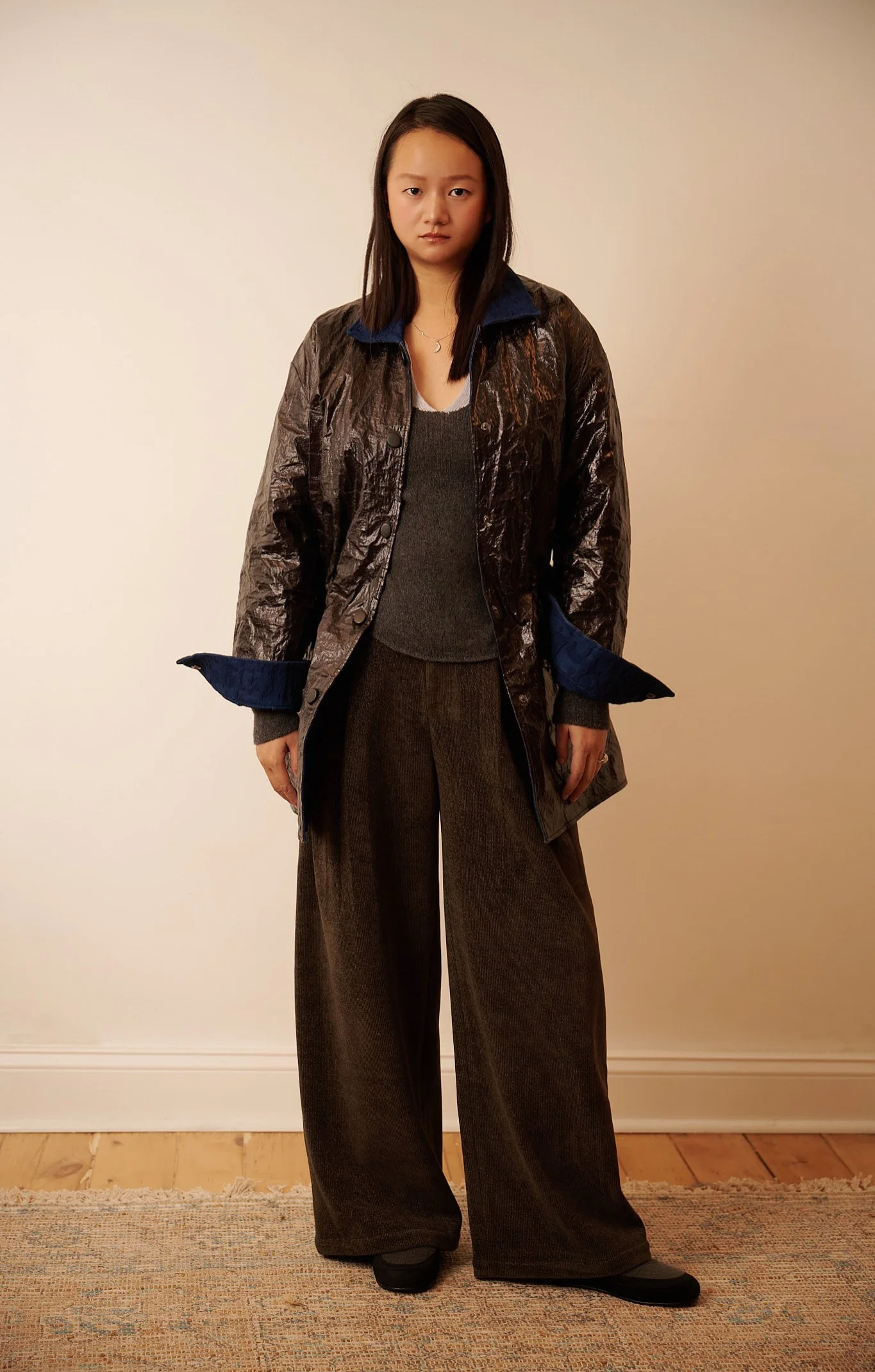
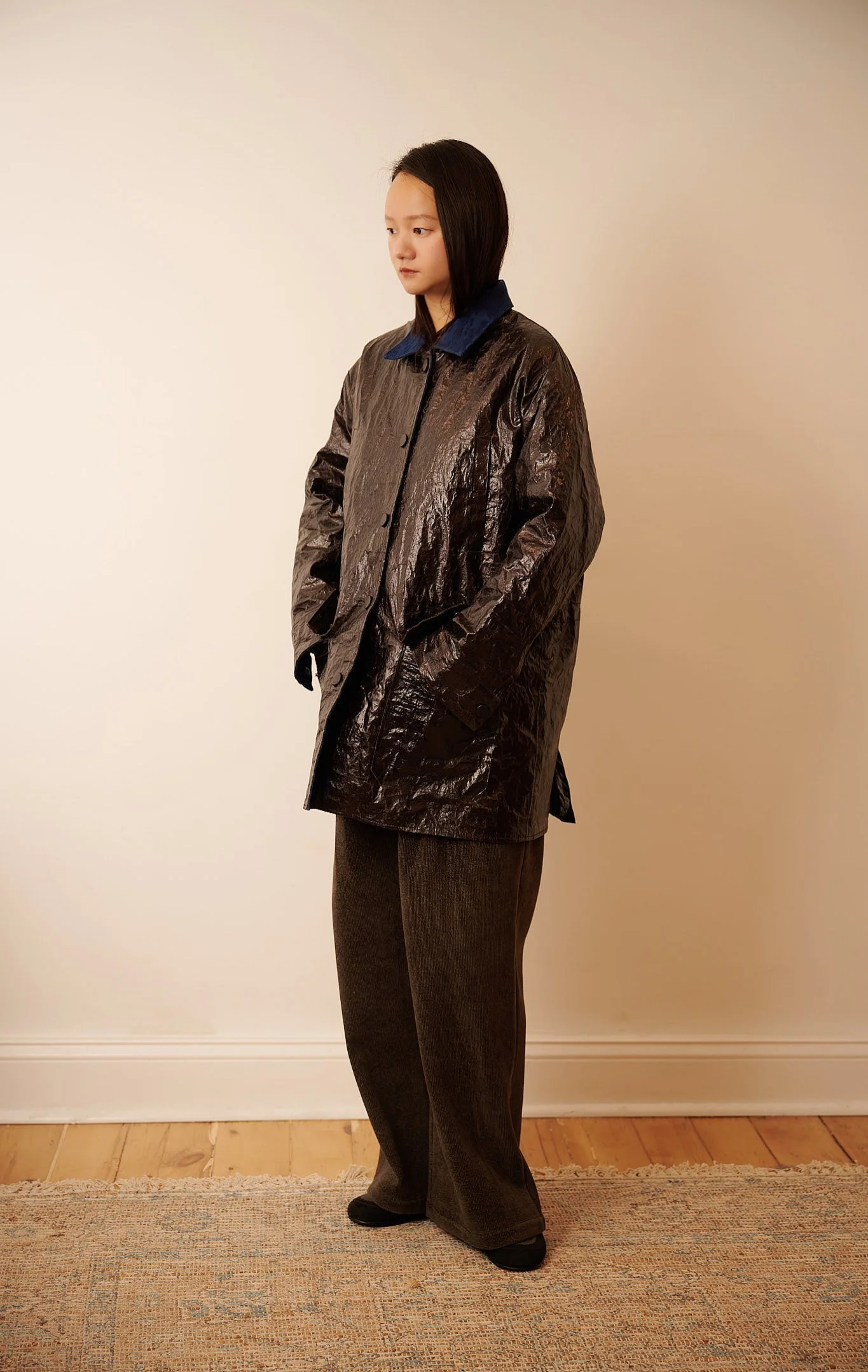
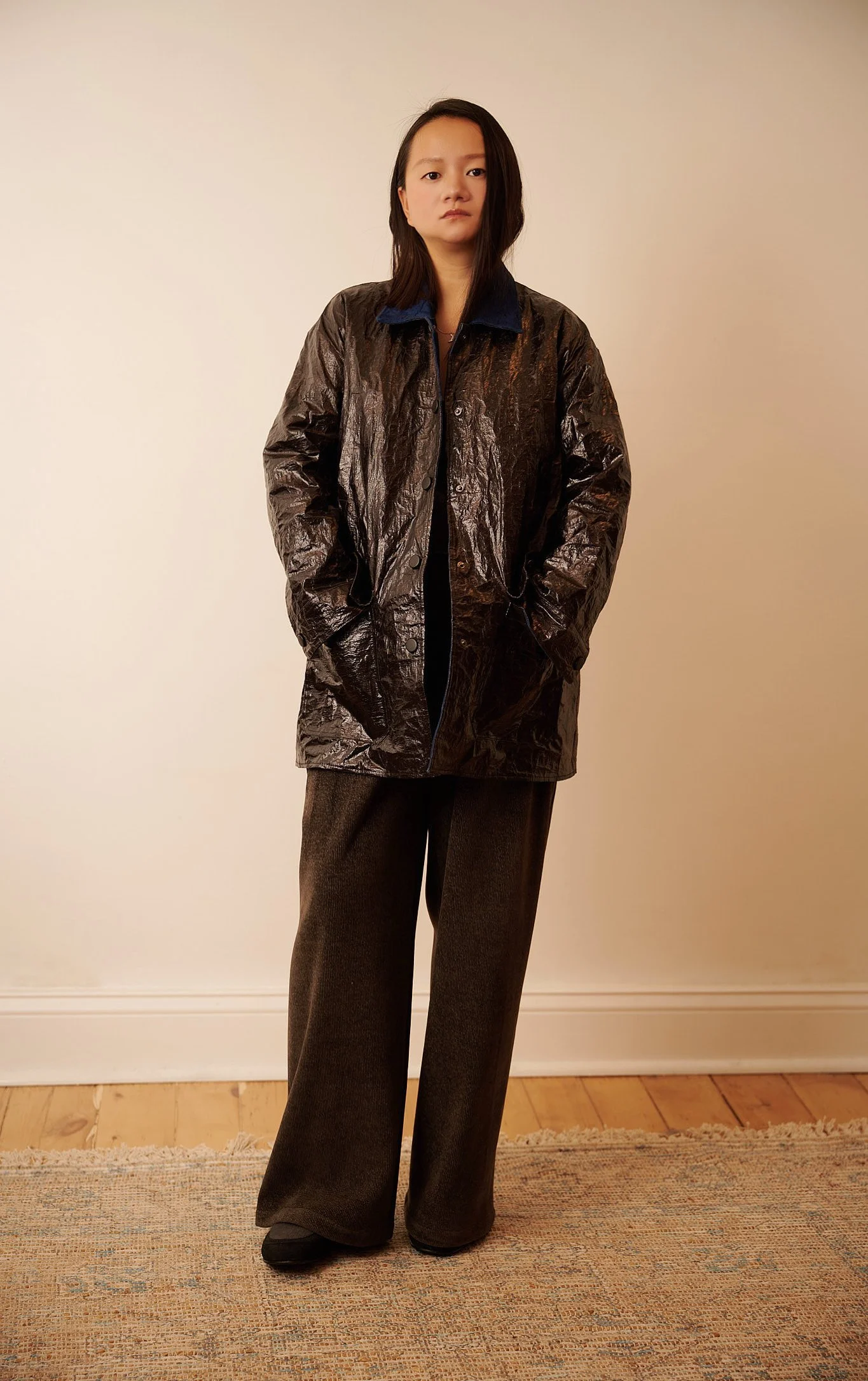
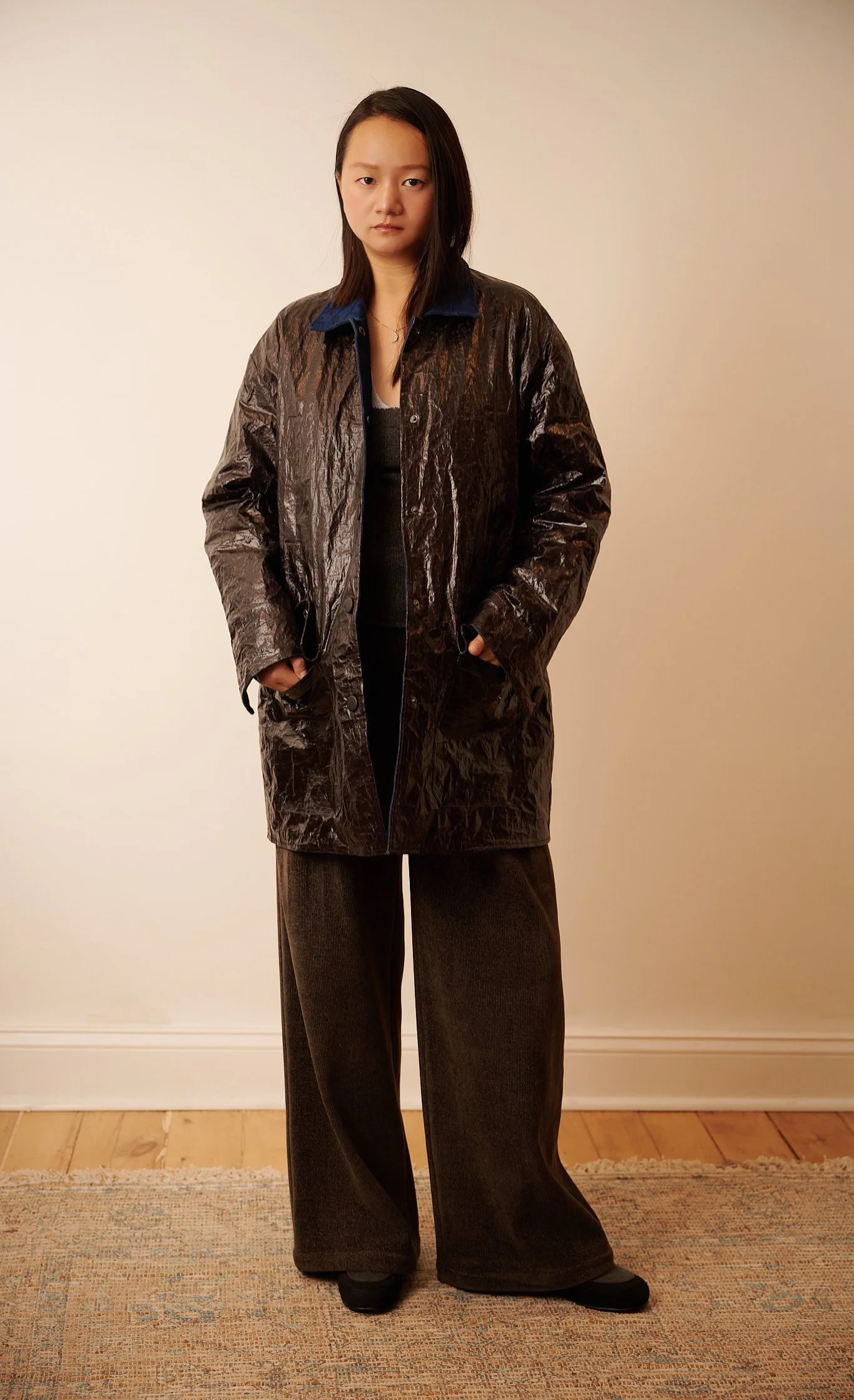
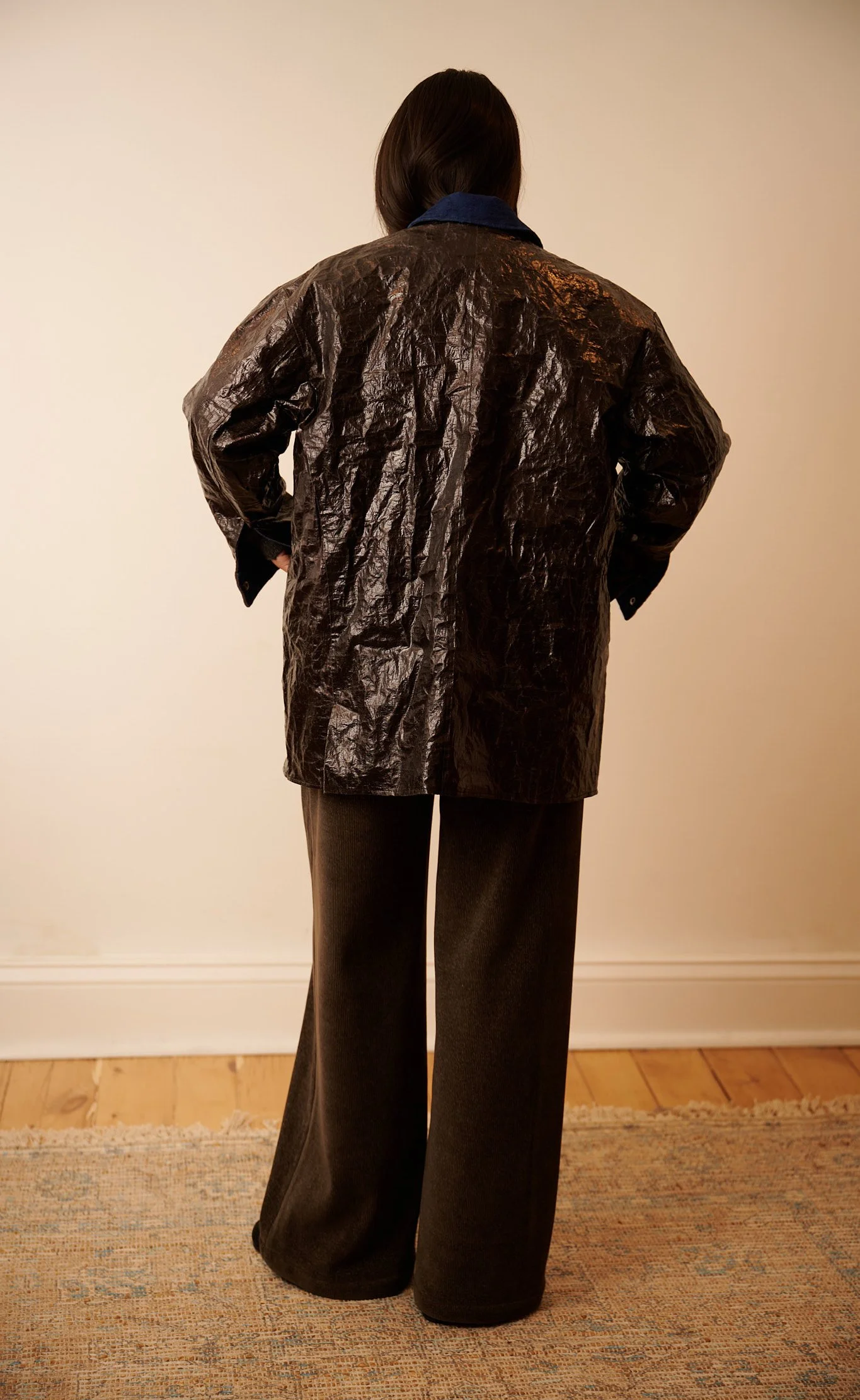
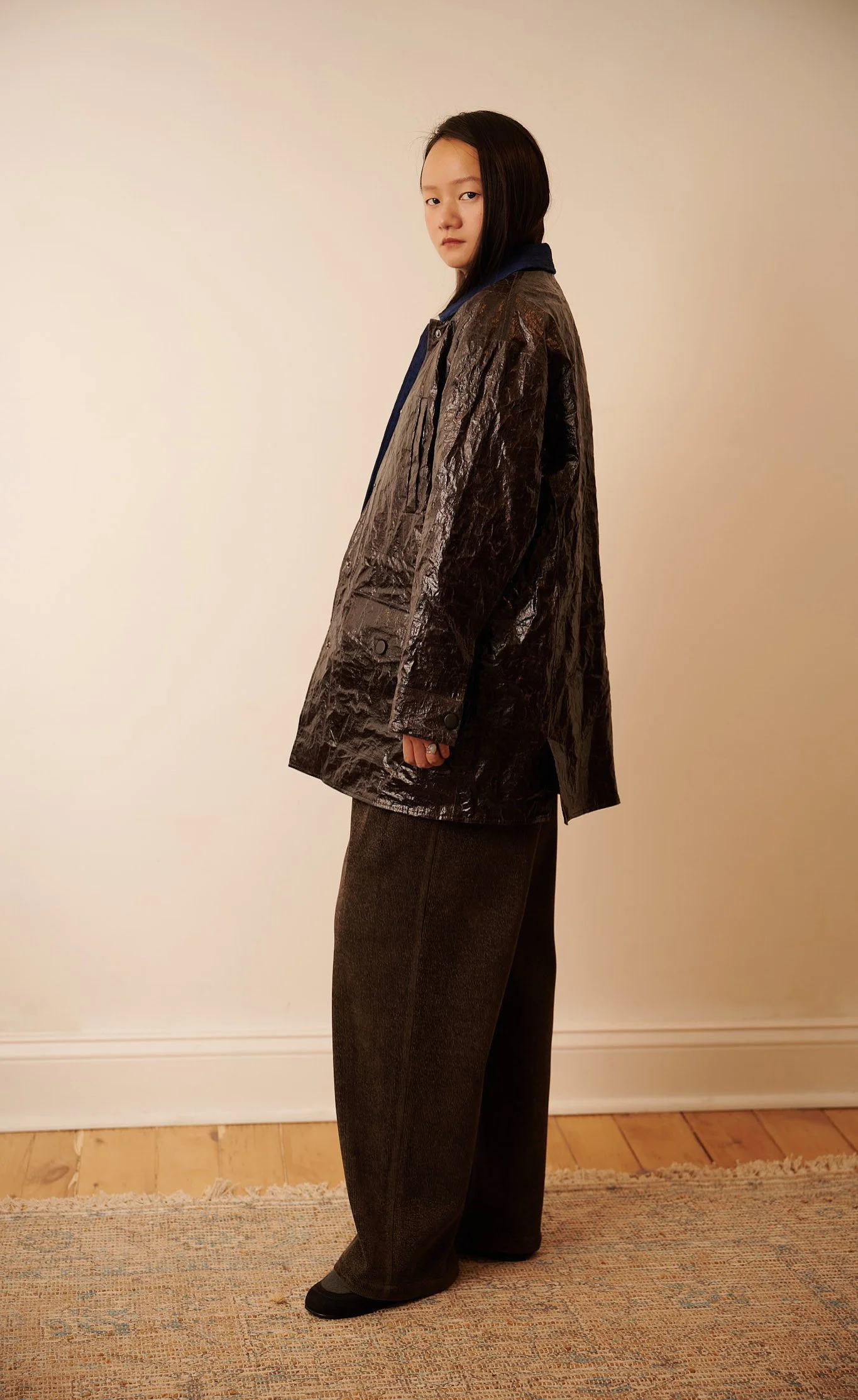
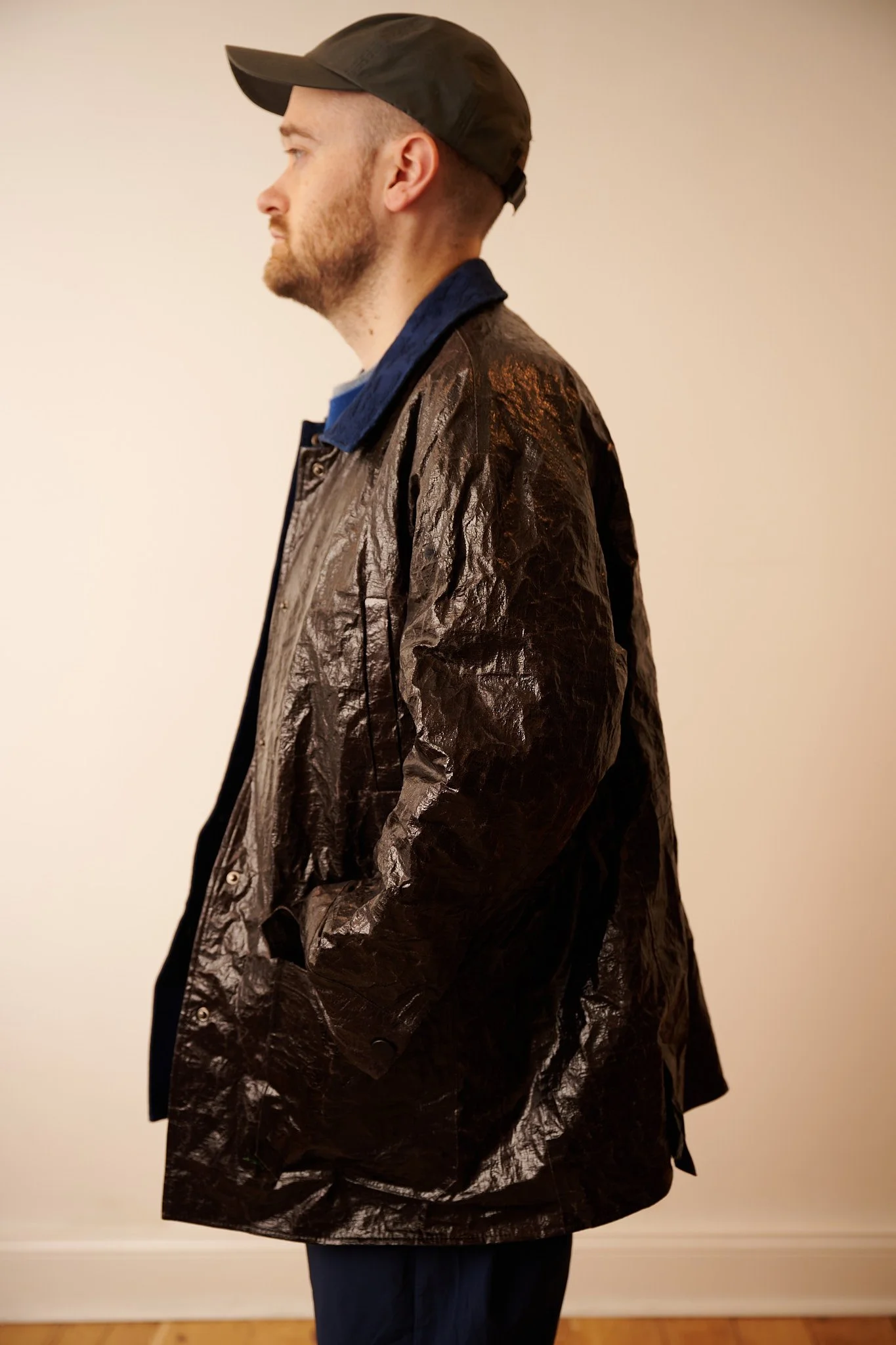
This piece reinterprets the structural framework of the Western oil-wax trench coat through the language of the deep, profound Dong cloth of the Dong ethnic group. Guided by the spiritual thread of "for a life in between," the tranquil, rugged texture of Dong cloth is not presented as an exotic symbol for mere appreciation. Instead, with its inherent density of time and wisdom of labor, it imitates, replaces, and carries the functional attributes and outdoor soul of oil-wax cloth. Inside the coat, the breath and warmth of indigo-dyed woven fabric engage in a dialogue with the沉稳 of the exterior.
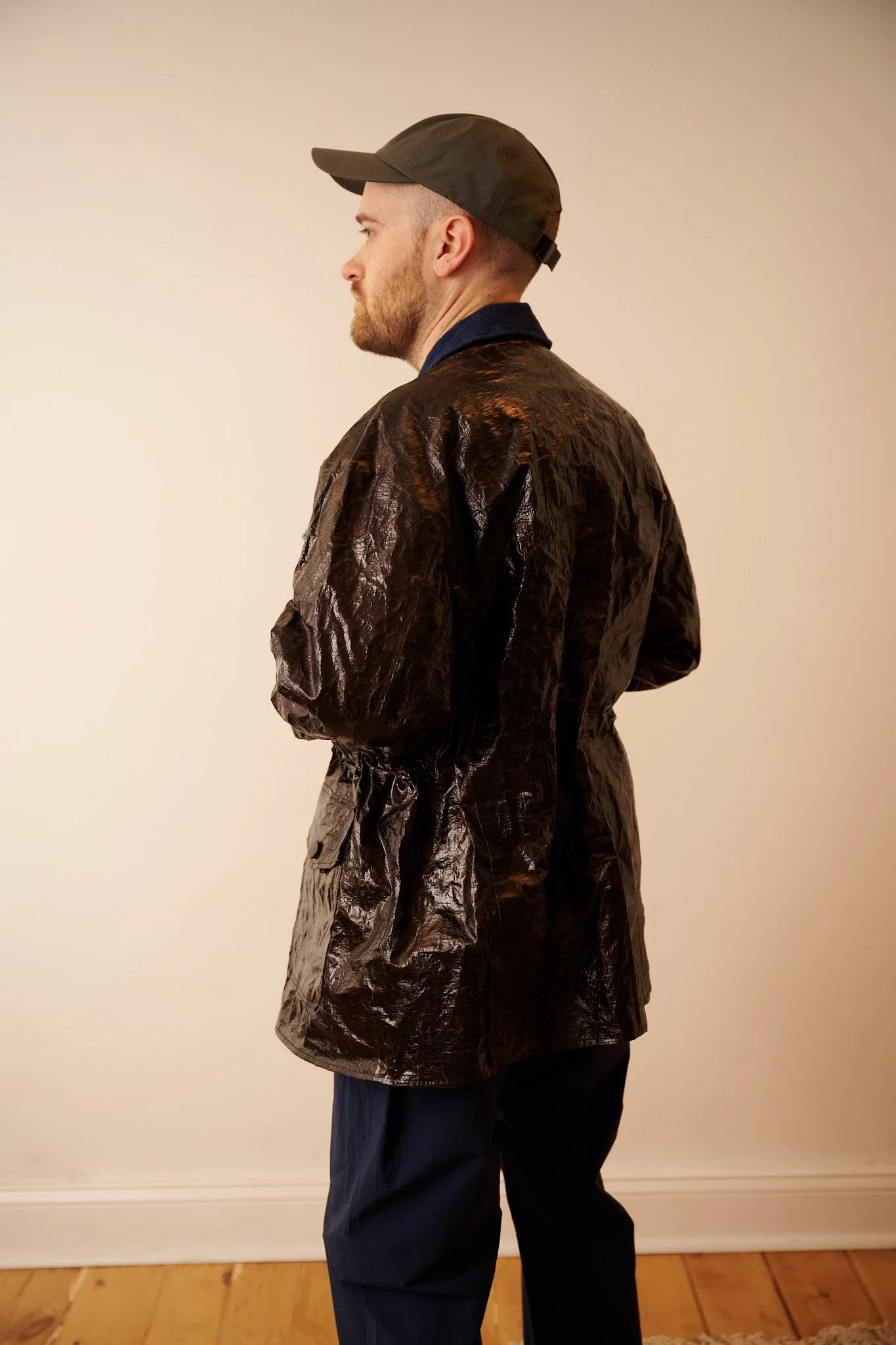
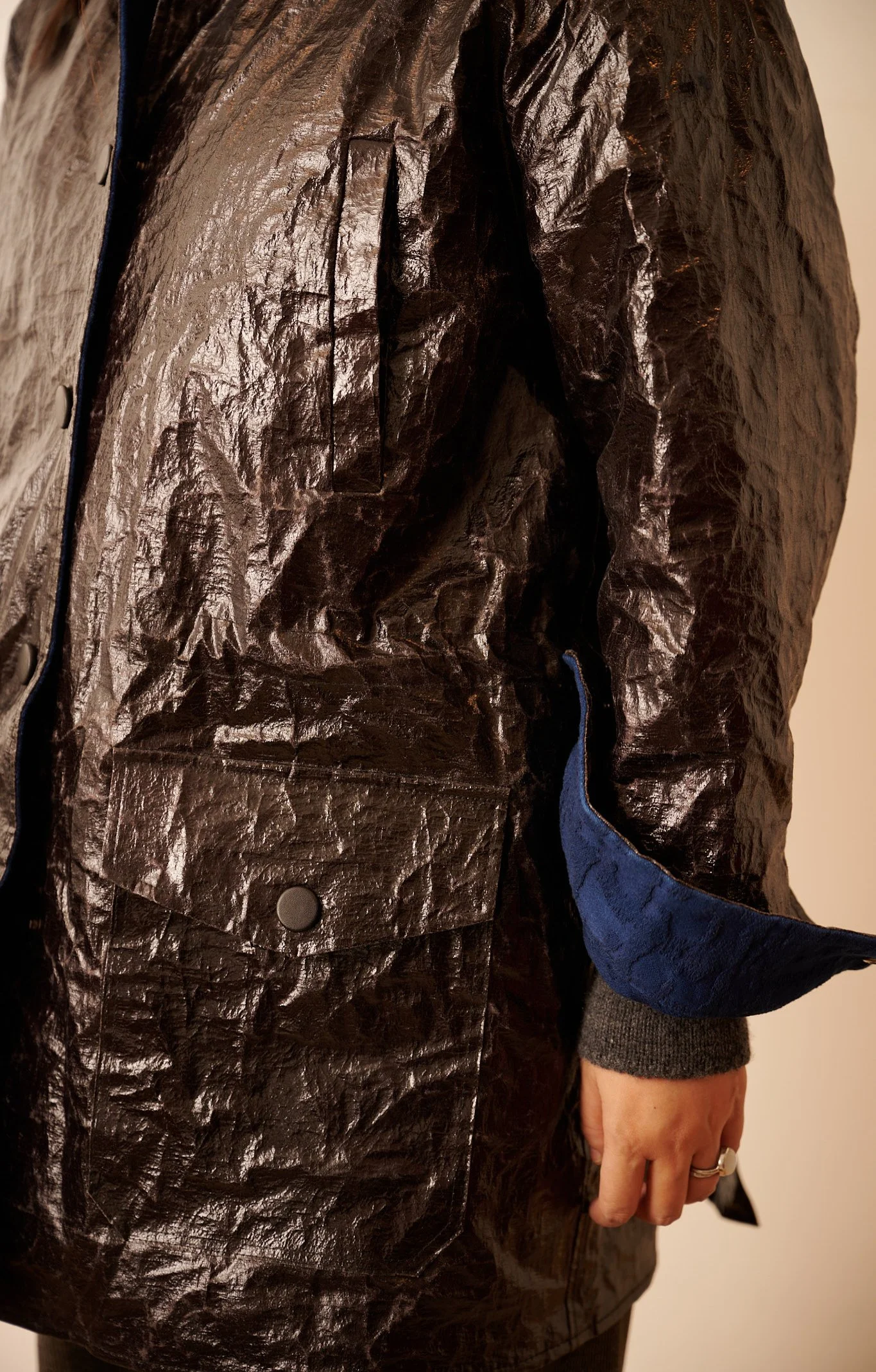
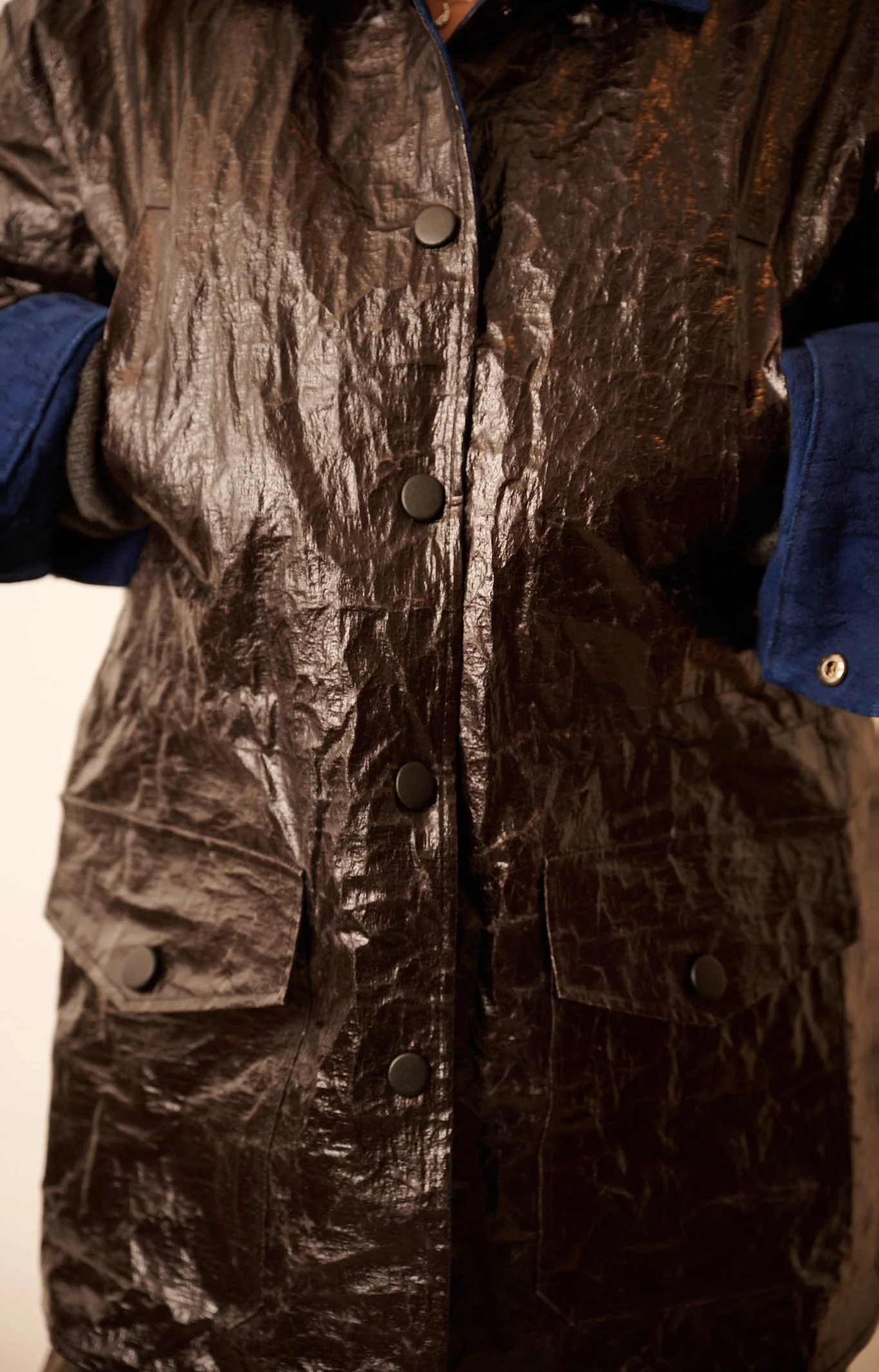
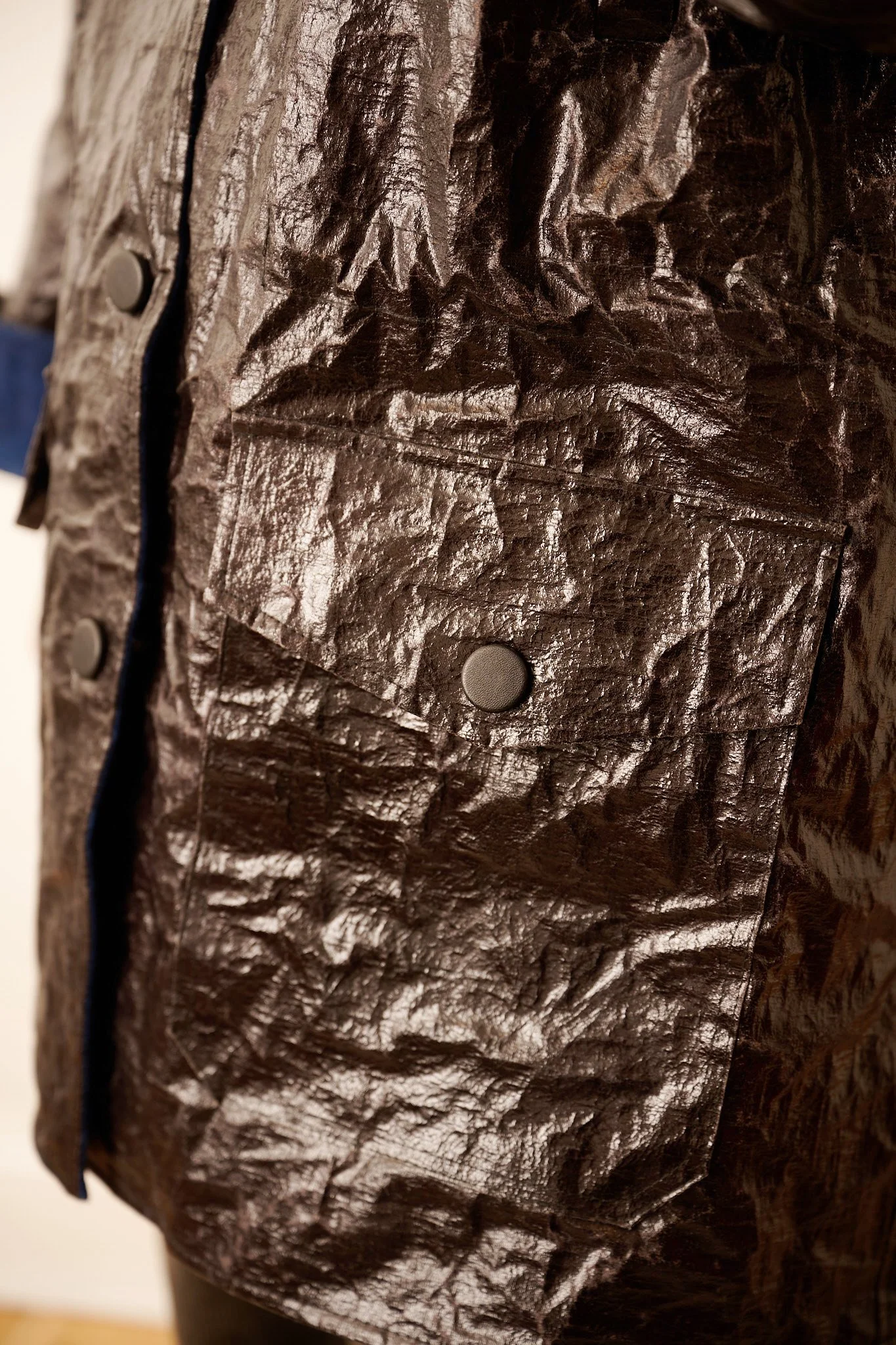
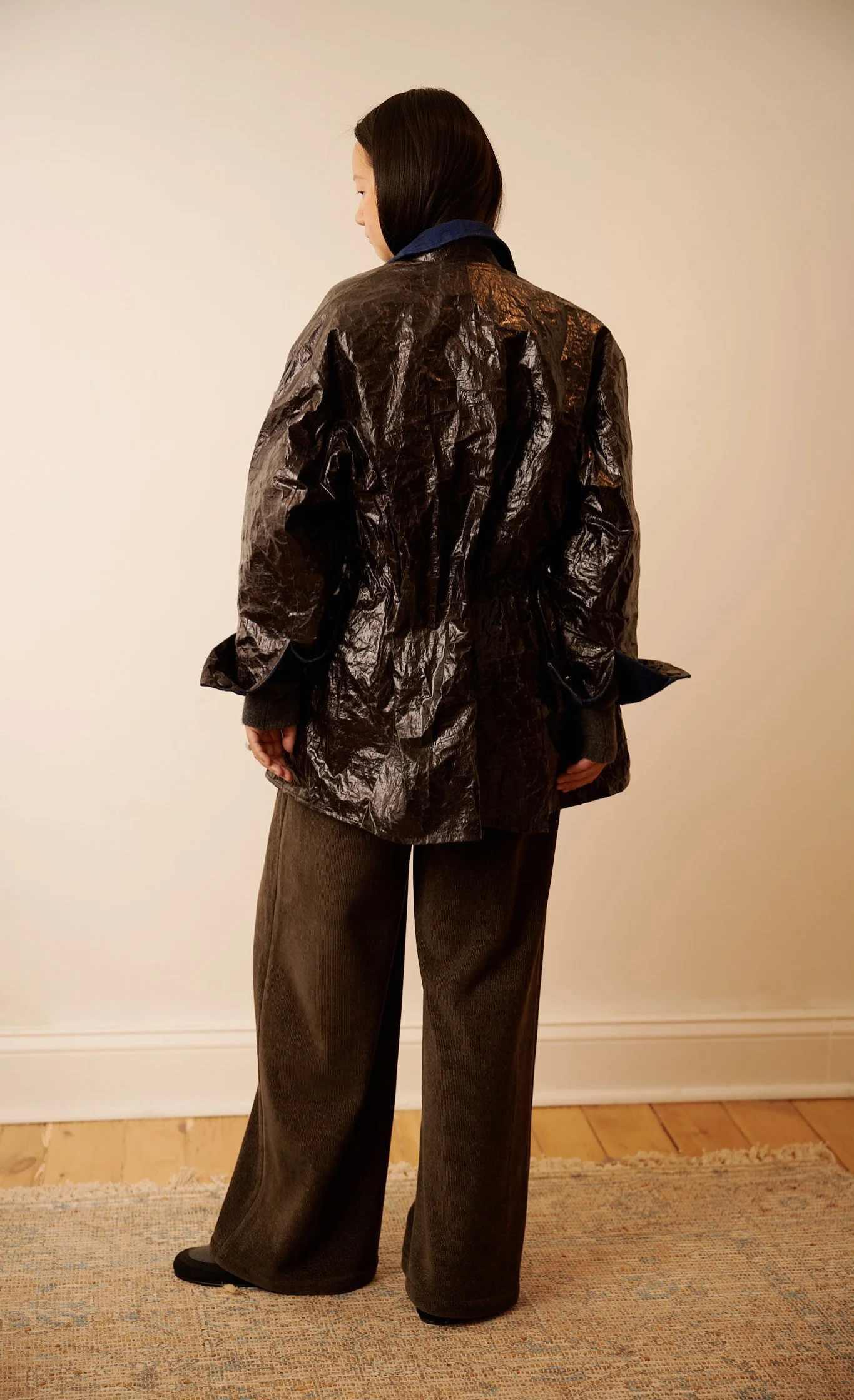
The freely adjustable drawstring design allows the body's silhouette to transition between relaxed and sharp, embodying the dynamic freedom to adapt to a life "in between." The four pockets on the chest and hem are odes to practicality, gathering traces of daily life. Ultimately, the oldest fabric of the East meets the most classic silhouette of the West in a mirror of "imitation": Dong cloth does not become oil-wax cloth, yet, through its own thickness of life, it tells a new story about shelter, journey, and identity. The language of oil-wax cloth is deconstructed, the materiality of Dong cloth is awakened—together they weave a third space, belonging to the modern spirit that flows, crosses, and dwells in between.
About Fabric
Dong cloth is a traditional handmade textile inherited by China's Dong ethnic group. It is made by repeatedly dyeing the fabric with indigo, followed by the application of plant-based colloids and a hammering process. Its surface exhibits a unique, dense texture and subtle sheen, combining natural toughness and crispness. It is a traditional fabric that merges practicality with cultural memory.
The making of Dong cloth is a profound act of handicraft in collaboration with nature and time. Its core process primarily consists of three steps:
1. Dyeing: Using indigo grass from the mountains and forests as the pigment source, the woven white cloth undergoes dozens, even hundreds, of repeated dips in the dye vat and oxidations. Each immersion is a dialogue between color and fiber, until layers of deep, rich indigo or dark black are built up.
2. Fixing: To enhance color fastness and fabric quality, colloids made from natural materials such as cowhide gelatin, egg whites, or the juice of wild Dioscorea cirrhosa are used to soak or coat the dyed cloth. This step imparts initial stiffness and a unique luster to the fabric.
3. Hammering: This is the crucial step that gives Dong cloth its soul. The glued cloth is spread on a smooth stone slab and hammered evenly and continuously for hours with wooden mallets. Through this relentless pounding, the fibers become compact, the colloid fully penetrates, and the cloth's surface gradually develops a warm, hard luster reminiscent of leather or metal, ultimately transforming into the durable and profound Dong cloth we see.
The entire process relies on the experience and perception of the artisan, with no chemical shortcuts. Every inch of its texture records the story of plants, craftsmanship, and time.